President Donald J. Trump, in the first year of his second term, has found himself at the center of intensifying public discontent, with recent national polls reflecting a sharp decline in his job approval ratings and widespread calls for change echoing across social media and public spaces.
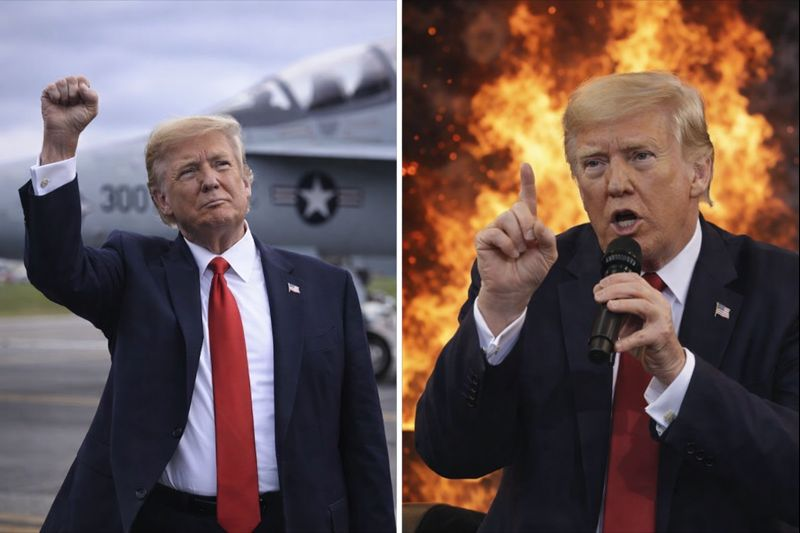
Mounting Disapproval as Polls Signal Deepening Crisis
Recent surveys paint a stark picture of eroding support for the president. Aggregated data from major polling organizations, including The New York Times, Pew Research Center, and Nate Silver’s Silver Bulletin, show Mr. Trump’s approval hovering in the low to mid-40s at best, with disapproval often exceeding 55 percent. As of early February 2026, net approval figures have dipped into negative territory, reaching as low as -15 in some averages. A Pew poll conducted in late January placed his approval at 37 percent, with 61 percent disapproving, marking a notable slide from earlier in his term. Strong disapproval has surged, with nearly half of respondents expressing intense opposition to his performance.
These numbers reflect broader frustration over a series of policy initiatives and events that have dominated headlines. Immigration enforcement actions, including high-profile operations in states like Minnesota, have drawn sharp criticism amid reports of aggressive tactics and isolated incidents of violence. Economic pressures, including debates over tariffs and their impact on affordability, have further fueled dissatisfaction, even as some sectors report gains. Many Americans, according to recent surveys, view the administration’s actions as falling short of expectations, with more than half in certain polls describing the past year as worse than anticipated.
Viral Outrage and the Rise of “TrumpOutNow”
What began as scattered expressions of unease has coalesced into a visible wave of online activism. The hashtag #TrumpOutNow has trended repeatedly on platforms like X (formerly Twitter) and TikTok, amassing millions of views and shares. Viral videos and memes circulate widely, amplifying narratives of frustration with the president’s leadership style and decisions. Former supporters in some cases have publicly shifted their stance, contributing to a sense of fracturing coalitions that once appeared solid.
Social media users have shared clips purportedly showing moments of presidential frustration, including reports of heated exchanges and outbursts in private settings. While details vary and some accounts remain unverified, the circulation of such content has intensified perceptions of instability. Petitions circulating online have garnered significant signatures, calling for accountability or even removal, though they lack formal legal weight at this stage. Street demonstrations in several cities have drawn crowds chanting slogans of discontent, underscoring a shift from online sentiment to public action.
Reports of Private Strain Amid Public Turmoil
Insiders and anonymous sources have described tense scenes behind closed doors, particularly at the president’s Mar-a-Lago residence in Florida. Accounts suggest episodes of visible anger, including claims of objects being damaged in frustration during strategy sessions with advisers. These reports, while difficult to confirm independently, align with a pattern of Mr. Trump’s characteristically direct and unfiltered communication style, which has both energized his base and alienated others.
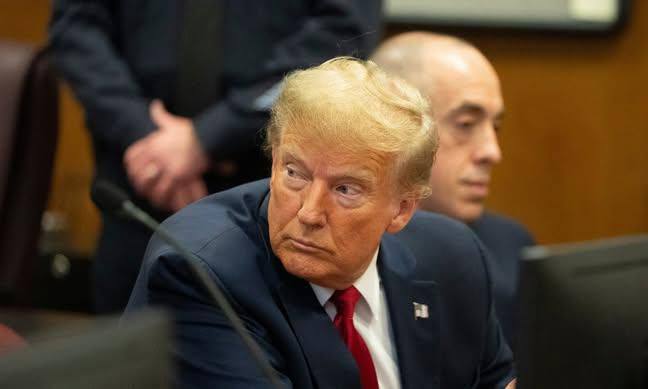
Even among some longtime allies, there are signs of strain. Defenses from MAGA loyalists persist on social media, but the volume of critical voices—including from those who once voted for him—has grown noticeably. The contrast highlights a polarized landscape where support remains fervent in certain quarters but appears increasingly isolated.
A Presidency Defined by Volatility
Mr. Trump’s second term has been marked by rapid policy shifts, high-stakes confrontations, and relentless scrutiny. From immigration crackdowns to economic measures and responses to international developments, each decision has sparked debate. Recent controversies, including those tied to document releases and enforcement operations, have compounded challenges, contributing to a perception of governance under siege.
As the nation approaches the 2026 midterm elections, these dynamics could reshape the political battlefield. Democrats have seized on the polling trends to argue for a course correction, while Republicans emphasize core achievements in areas like national security and energy. Yet the breadth of disapproval suggests a broader reckoning, with many Americans expressing a desire for stability amid ongoing turbulence.
The coming months will test whether this wave of discontent solidifies into lasting political consequences or proves fleeting in a landscape accustomed to dramatic turns. For now, the conversation around the presidency remains dominated by questions of public trust, leadership under pressure, and the limits of resilience in an era of constant visibility.
Leave a Reply