Former President Donald Trump has once again placed himself at the center of a growing political and legal storm, signaling plans to file a lawsuit against author and journalist Michael Wolff following the emergence of newly surfaced Epstein-related materials. The announcement has immediately reignited fierce debate over credibility, motive, and timing—while reopening long-simmering questions about what the public still does not know regarding the Epstein case and the powerful figures connected to it.
According to Trump, Wolff has engaged in what he describes as “reckless and malicious falsehoods,” allegedly using Epstein-linked narratives to damage Trump politically and personally. Wolff, best known for a series of controversial books about Trump’s presidency, has firmly denied any wrongdoing, standing by his reporting and insisting that his work relies on sourcing consistent with journalistic standards.

What might have remained a familiar clash between Trump and a hostile author has now escalated into something larger. With renewed attention on Epstein-related files, the dispute has become a flashpoint for broader concerns about transparency, accountability, and the unresolved gaps that continue to surround one of the most disturbing scandals involving elite power networks in modern American history.
A Lawsuit With Strategic Timing
Legal analysts note that Trump’s threat of litigation comes at a particularly sensitive moment. Newly surfaced materials—while not necessarily introducing explosive new criminal allegations—have revived public interest in who knew what, when they knew it, and why so many questions remain unanswered years after Epstein’s death.
Trump’s allies argue the lawsuit is a defensive necessity, framing Wolff as a provocateur who profits from sensationalism and recycled insinuations. They contend that Epstein’s name is being weaponized politically, used less to pursue justice for victims and more to keep Trump entangled in controversy.
Critics, however, see the timing differently. They argue that threatening legal action now serves to shift the narrative away from the substance of the Epstein files and toward a personalized feud. “This is a classic Trump move,” said one former federal prosecutor. “Turn a systemic issue into a personal battle, where he feels more comfortable controlling the terms.”
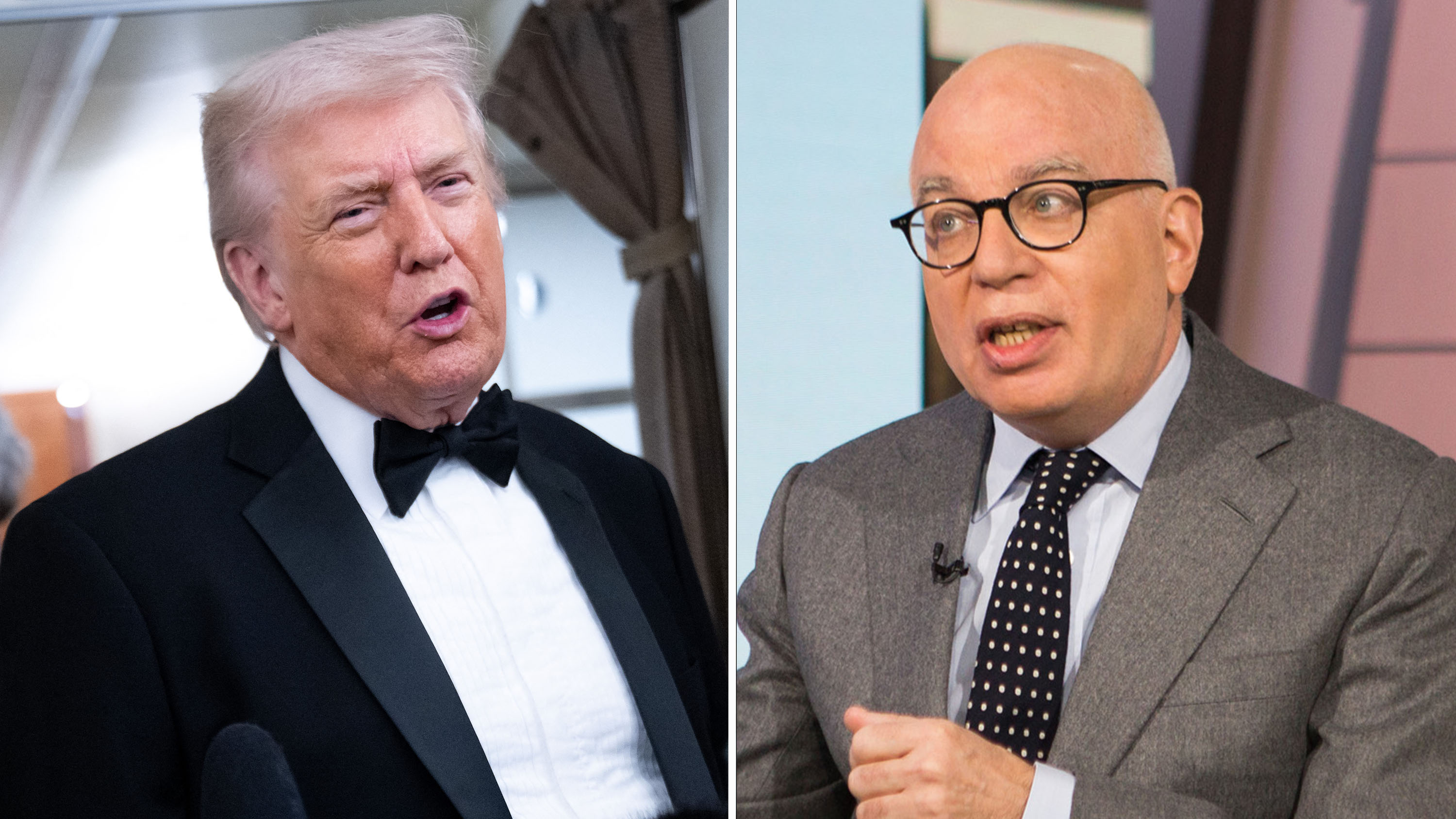
Wolff Pushes Back
Michael Wolff has responded bluntly, rejecting Trump’s accusations and questioning whether the lawsuit will ever materialize. Wolff has emphasized that the real issue is not his books or commentary, but the persistent lack of clarity surrounding Epstein’s relationships with influential figures across politics, finance, and media.
“This isn’t about me,” Wolff said in a recent statement. “It’s about why the public keeps being told that there’s nothing more to see—while documents are missing, redacted, or quietly dismissed.”
That sentiment has resonated with a segment of the public increasingly skeptical of official assurances that the Epstein investigation has reached its natural conclusion.
The DOJ Questions That Won’t Go Away
Central to the renewed controversy are unresolved questions about the Department of Justice’s handling of Epstein-related materials. Critics from both the left and right have raised concerns about missing documents, inconsistent disclosures, and the narrow scope of past investigations.
Despite years of review and what officials describe as exhaustive examination of evidence, the DOJ has repeatedly indicated that no further prosecutions are forthcoming. For many observers—especially survivors and their advocates—those statements ring hollow.
The frustration is compounded by heavy redactions in released files and reports that sensitive information was either withheld or inadequately explained. In that context, the Trump–Wolff dispute feels less like an isolated legal clash and more like a symptom of a deeper institutional credibility problem.

Politics, Power, and Selective Outrage
Trump’s supporters argue that he is being unfairly singled out while others named in Epstein-related contexts escape similar scrutiny. They point to what they describe as selective outrage—where political enemies are targeted aggressively while powerful allies of the establishment are quietly shielded.
Opponents counter that Trump’s framing centers himself at the expense of victims, transforming a case about exploitation and abuse into another chapter of grievance politics. They argue that threatening lawsuits against journalists does little to advance transparency and may, instead, discourage deeper inquiry.
“This keeps becoming about Trump versus whoever,” said a media ethics professor. “But the real issue is why accountability for elite misconduct remains so elusive.”
More Than One Book, More Than One Lawsuit
As calls for transparency grow louder, it is increasingly clear that this dispute is no longer just about Michael Wolff or a potential defamation lawsuit. It has become a proxy battle over truth, power, and the limits of public disclosure.
Even if Trump never formally files the lawsuit, the signal alone has consequences—energizing supporters, provoking critics, and once again placing the Epstein files at the center of national conversation. Each renewed clash underscores how unfinished this story remains, despite repeated efforts by institutions to declare it closed.
In the end, the most pressing question is not whether Trump sues Wolff, or whether Wolff prevails in the court of public opinion. It is what remains unseen in the Epstein record—and why, years later, those missing answers continue to matter so profoundly.
Until those gaps are fully addressed, every lawsuit threat, every media fight, and every political accusation will feel like another attempt to control the narrative rather than confront the truth.
Leave a Reply