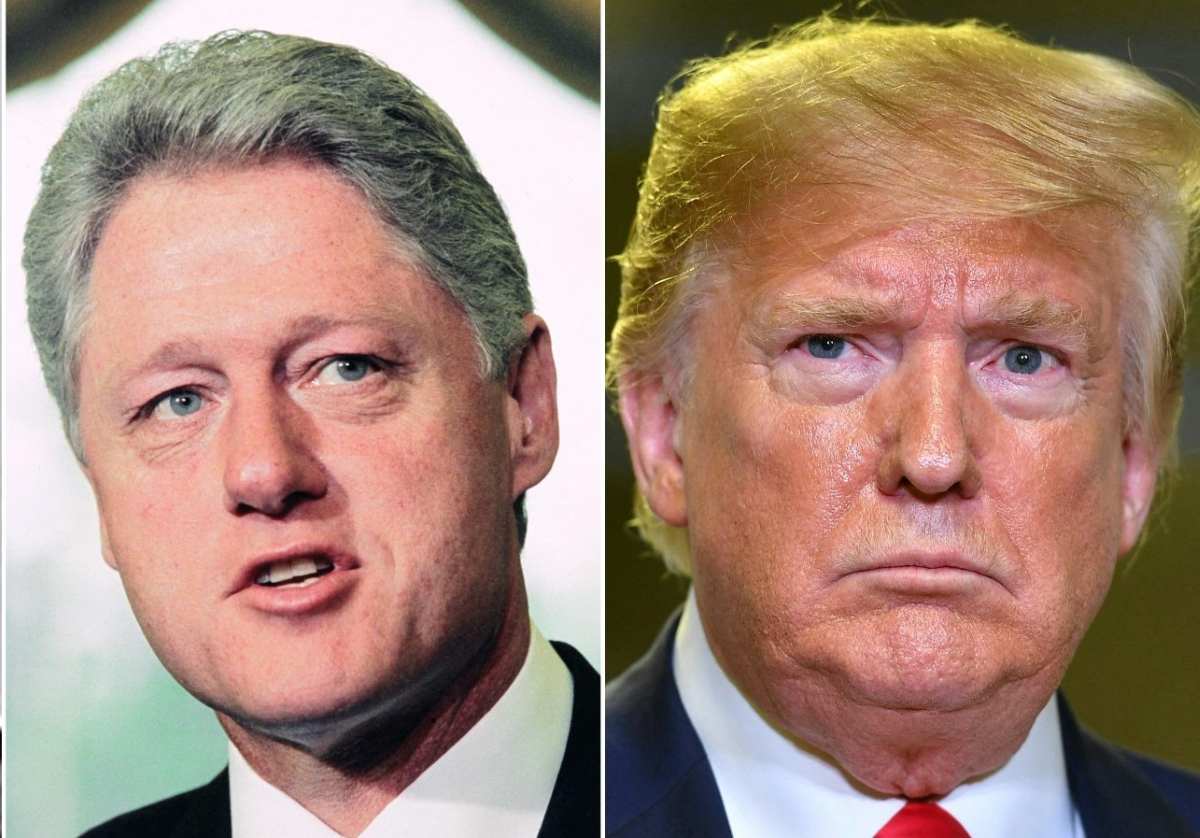
In the early hours of the morning, a lurid claim began ricocheting across social media feeds: that former President Bill Clinton had somehow “revealed” a so-called sex tape involving Donald Trump, igniting fury and panic. The allegation spread quickly, fueled by screenshots, breathless captions, and familiar insinuations tied to Jeffrey Epstein. Within hours, however, one fact became unavoidable—there was no verified tape, no substantiated disclosure, and no evidence to support the claim as it was being presented.
What was real, and far more consequential, was the broader controversy surrounding the Epstein files and how powerful figures—across politics, finance, and celebrity—continue to frame the issue around themselves rather than the survivors at its center.

From Evidence to Spectacle
The renewed attention stems from ongoing congressional and Justice Department handling of materials related to Epstein’s trafficking network. Lawmakers from both parties have pushed for testimony from prominent figures named in documents connected to Epstein, arguing that sunlight is necessary after years of secrecy and stalled accountability.
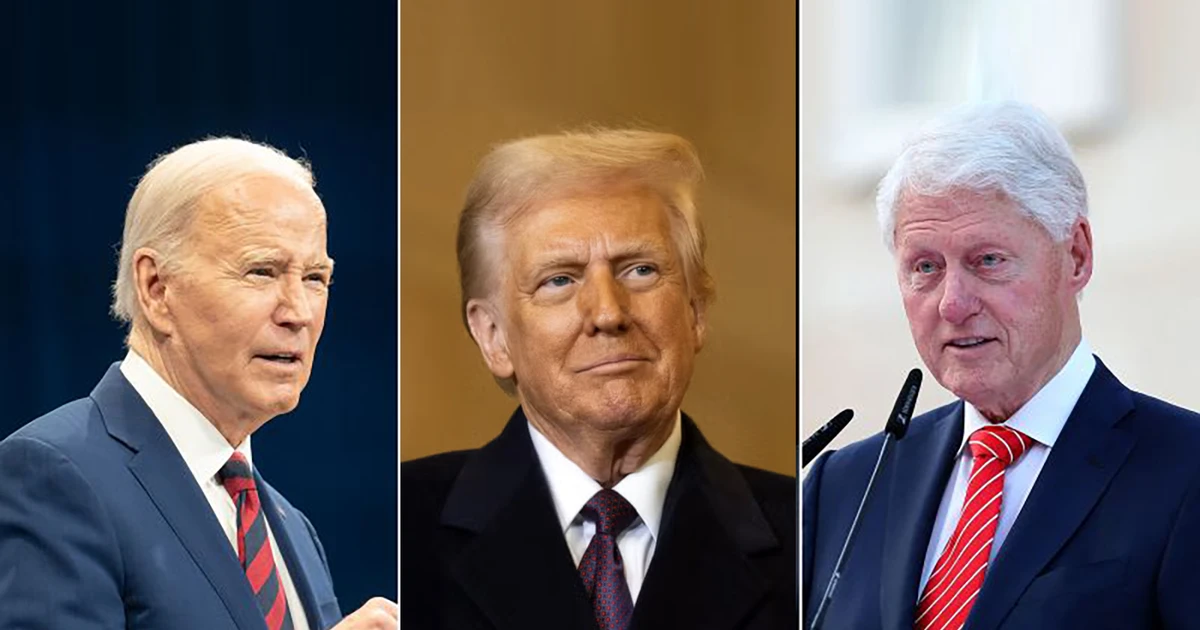
In that context, Bill and Hillary Clinton have agreed to testify before Congress and have requested public hearings. Importantly, Bill Clinton has not been charged with any crime related to Epstein. Still, questions persist about why influential individuals maintained associations with Epstein long after his predatory behavior was publicly documented. Those questions are legitimate—and they are very different from unproven viral claims.
Yet the internet thrives on conflation. As hearings loom, sensational narratives have rushed in to fill the information vacuum, transforming a complex legal reckoning into click-driven spectacle.
Trump’s Framing—and Public Pushback
Donald Trump has responded to the unfolding scrutiny by reframing the Epstein materials as proof of a conspiracy against him personally. In public statements, he has argued that the documents are being weaponized to damage him politically—an assertion investigators and many members of the public have rejected.
Critics note a striking pattern: rather than emphasizing justice for victims, Trump’s rhetoric centers on reputational harm to himself. That posture has drawn backlash, particularly from survivors’ advocates who argue that the moment should be about accountability, not grievance politics.
“The files aren’t about exonerating or condemning one powerful man,” said one advocate. “They’re about understanding how an entire ecosystem failed victims for decades.”
DOJ Decisions Under Fire
Anger is also mounting over the Justice Department’s handling of the materials. Despite reportedly spending enormous resources reviewing documents, officials have signaled there may be no new prosecutions. Survivors have reacted with frustration and outrage, especially after releases included heavy redactions while, in some cases, exposing victims’ personal information.
To many, the process feels inverted: institutions appear to be protecting themselves and managing political fallout rather than aggressively pursuing truth and justice. The perception—fair or not—is that accountability thins as power increases.
Why Viral Claims Gain Traction
The explosive rumor about a “sex tape” illustrates how quickly misinformation can dominate when public trust is low. In an environment shaped by secrecy, delayed disclosures, and inconsistent messaging, even implausible claims can feel believable to audiences primed to expect the worst.
But conflating unverified allegations with documented failures does real harm. It muddies the record, distracts from serious inquiry, and risks retraumatizing survivors whose experiences are once again overshadowed by the reputations of powerful men.
The Real Stakes
At its core, the Epstein reckoning is not a partisan drama or a contest of scandals. It is a test of whether institutions can investigate elite misconduct without fear or favor—and whether victims finally receive answers after years of neglect.
Public hearings, transparent testimony, and careful separation of fact from fiction will matter far more than viral claims. If Congress proceeds responsibly, it could help restore some measure of confidence. If not, the cycle of spectacle will continue, and accountability will remain elusive.
For now, the internet may be captivated by shocking headlines. But the truth—slower, less sensational, and far more important—lies in whether the system can move beyond self-protection and finally center justice where it belongs: with the survivors, not the powerful figures arguing over their own reflections in the scandal.
Leave a Reply