What began as a polished, carefully choreographed live broadcast unraveled in real time when Barack Obama calmly revealed a detail no one in the audience was supposed to hear—let alone process on air.
Within seconds, the tone shifted. Smiles froze. Producers scrambled. And Donald Trump, watching the exchange unfold, reacted in a way that instantly transformed a routine televised moment into absolute chaos.
Viewers knew immediately that something had gone off-script. You could feel it through the screen. The kind of moment that doesn’t rely on shouting or spectacle, but on timing—precise, deliberate, and devastatingly effective.
Obama didn’t raise his voice. He didn’t attack. He didn’t smirk.
A Tale of Two Documentaries: When Promotion Meets Public Appetite
In the crowded ecosystem of political celebrity and media spectacle, documentaries are rarely judged on content alone. Timing, tone, and the public mood often determine whether a film resonates or fades. That dynamic was on display this week as Melania Trump stepped into the spotlight to promote her self-titled documentary, Melania, even as another film — released years earlier — quietly surged back into public view.
The promotional push for Melania has been difficult to miss. The former first lady rang the opening bell at the New York Stock Exchange, appeared on select friendly outlets, and benefited from a sizable marketing campaign reportedly backed by Amazon. Posters appeared in major cities, and the film secured a wide theatrical rollout, with screenings scheduled in more than a thousand theaters.
Yet early indicators suggest a muted reception. Industry analysts tracking advance ticket sales described them as modest, with opening-weekend projections falling below what might be expected for a heavily marketed release. None of this guarantees failure — documentaries often find longer lives through streaming and international distribution — but the gap between promotional scale and initial audience response has prompted questions about strategy and expectations.
At the same time, a striking countertrend emerged. Becoming, the 2020 documentary centered on Michelle Obama, began climbing the charts on Netflix, years after its debut. Cultural analysts noted that such resurgences are uncommon, particularly for documentaries that have already enjoyed widespread viewership. The timing, however, proved telling.
Social media discussion around Melania quickly broadened into comparisons between the two films — not just as portraits of former first ladies, but as examples of how personal storytelling intersects with public trust. Becoming had originally been received as an intimate narrative about identity, work, and transition beyond public office. Its renewed popularity appears to reflect, at least in part, a renewed appetite for that tone.
Late-night television amplified the contrast. On Jimmy Kimmel Live, Jimmy Kimmel devoted a segment to the release, situating it within a broader news cycle that included looming budget deadlines and partisan standoffs in Washington. His critique did not hinge on box-office math alone, but on symbolism: a glossy media rollout unfolding as lawmakers debated funding priorities with tangible consequences for everyday Americans.
The juxtaposition — spectacle versus substance — became a recurring theme. Commentators noted that Melania appears tightly controlled in its messaging, offering limited access to critical questioning. Supporters argue this is a deliberate choice, consistent with a public figure long known for privacy and restraint. Critics counter that the approach risks reinforcing perceptions of distance at a moment when audiences gravitate toward candor.
None of this is new terrain for political media. Documentaries tied to public figures often function as brand extensions as much as narratives. What feels distinct in this instance is how swiftly the conversation shifted from the film itself to what it represents — a test of whether high-profile promotion can manufacture cultural momentum, or whether audiences ultimately decide based on perceived authenticity.
The renewed interest in Becoming underscores that point. Released during a period of national transition, the film emphasized process over polish and reflection over rebuttal. Its return to prominence suggests that viewers are revisiting stories that feel grounded amid a relentless news cycle.
There is also a business dimension. The economics of documentary filmmaking have changed dramatically, with streaming platforms paying premiums for exclusivity and visibility. Success is no longer measured solely by opening weekends but by sustained engagement, algorithmic discovery, and long-tail viewership. By that standard, the story of Melania is still unfolding.
For now, what stands out is less a verdict than a contrast. One film arrives amid a concentrated promotional blitz; the other reenters quietly, propelled by audience choice rather than advertising spend. Together, they offer a snapshot of a cultural moment in which viewers appear increasingly selective, rewarding narratives that feel earned over those that feel orchestrated.
In the end, documentaries — like the public figures they portray — live or fade based on trust. The past week suggests that while attention can be purchased, connection cannot. And in a media landscape saturated with noise, the stories that endure are often the ones that invite viewers in, rather than ask them to applaud.
Epstein Files, Congressional Power, and the Politics of Precedent
WASHINGTON — The release of millions of pages of documents related to Jeffrey Epstein has reopened one of the most fraught chapters in recent American political history, setting off a chain reaction that now reaches into Congress, the Justice Department, and the reputations of some of the country’s most powerful figures.
At the center of the latest developments is Bill Clinton, who, along with former Secretary of State Hillary Clinton, has agreed to provide filmed, transcribed depositions to the House Oversight Committee as part of its inquiry into Epstein’s network. The decision came after weeks of resistance and the growing likelihood of a bipartisan contempt vote — a reminder that congressional subpoena power, while often contested, can still carry real consequences.
The depositions, scheduled for later this month, will place the Clintons under oath, answering questions about their past interactions with Epstein, what they knew, and when they knew it. While no criminal conclusions have been reached regarding the former president, the testimony represents a rare moment: a former occupant of the Oval Office compelled to participate in a congressional investigation touching on alleged misconduct by a third party.
For Democrats on the committee, the significance extends beyond the Clintons themselves. Several lawmakers have argued that once Congress establishes a standard of compulsory testimony in the Epstein inquiry, that standard must apply consistently — including to Donald Trump, whose name also appears repeatedly in the same body of documents.
Representative Ro Khanna, a Democrat who has pushed for greater transparency around the Epstein files, said publicly that any investigation claiming to uphold the principle that “no one is above the law” must be applied evenly. Other Democratic lawmakers have echoed that sentiment, warning that selective scrutiny risks undermining the credibility of the entire inquiry.
Republicans, for their part, have framed the Clinton depositions as a necessary step toward accountability. House Oversight Chairman James Comer has emphasized that the committee’s focus is on fact-finding, not political theater. Still, the optics are difficult to ignore. The Clintons’ agreement to testify followed weeks of legal posturing and a sharply worded letter accusing Republicans of conducting a politically motivated probe. The subsequent reversal has fueled debate over whether Congress was testing its authority — or simply applying pressure until resistance became untenable.
Complicating matters further is the Justice Department’s handling of the document release itself. Survivors of Epstein’s abuse and their attorneys have raised alarms over what they describe as deeply flawed redactions, saying that names, photographs, and other identifying details were made public despite legal requirements designed to protect victims. Federal judges briefly weighed intervening before the department reached an agreement with survivors’ counsel to remove and correct thousands of pages.
Legal experts note that such redaction failures are unusual given the department’s long experience handling sensitive cases. While the Justice Department has acknowledged mistakes, survivors have said the damage cannot easily be undone, citing renewed harassment and threats following the release.
Against this backdrop, attention has increasingly turned to how the congressional investigation could shape future political and legal battles. The filmed nature of the Clinton depositions means that testimony will not simply be archived in transcripts; it will exist as visual record, potentially excerpted, replayed, and scrutinized for years. Any statements made under oath become part of the permanent congressional record — material that future investigators, prosecutors, or campaigns may revisit.
That reality has implications for Trump, even if no immediate action is forthcoming. Lawmakers note that while a sitting president enjoys certain protections, those protections are not permanent. Should Congress decide, after Trump leaves office, to compel testimony using the same rationale applied to the Clintons, it would be difficult to argue that precedent does not apply.
Trump has publicly criticized the Clinton testimony as unnecessary while offering conciliatory remarks about the former president and his wife — a rhetorical balancing act that some analysts interpret as an attempt to distance himself from the process without directly challenging it. Others see it as evidence of concern over where the investigation could lead, particularly if testimony contradicts prior public statements about the extent of his relationship with Epstein.
None of the released documents or forthcoming testimony, it bears emphasizing, constitutes a legal finding of wrongdoing by any former president. Allegations mentioned in tip lines or third-party communications remain unproven unless corroborated through investigation and adjudication. Still, the political impact of the inquiry is already apparent.
By compelling the Clintons to testify, Congress has reaffirmed the reach of its investigative authority. By doing so in the context of Epstein — a case that continues to evoke public outrage — lawmakers have ensured sustained attention. And by insisting on equal standards, Democrats have laid the groundwork for broader scrutiny that could extend well beyond February’s depositions.
What emerges is not a single revelation, but a structural shift. Congressional oversight, once tested, now carries precedent. Transparency, once demanded of one political family, becomes harder to deny to another. And a case many believed would quietly recede has instead become a defining thread in the politics of accountability.
As the depositions approach, Washington is bracing not for a final verdict, but for the next chapter — one that underscores how, in American politics, the consequences of precedent often matter as much as the facts
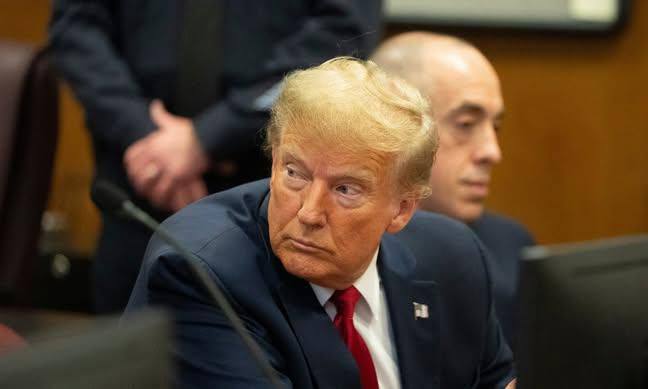
NEW YORK — Lawyers for Donald Trump have asked a New York judge to overturn his conviction on 34 felony counts in the hush-money case, arguing that a recent Supreme Court decision on presidential immunity fundamentally undercuts the evidence used at trial.
The request, filed in Manhattan Supreme Court, is the first major attempt by Mr. Trump’s legal team to leverage the Supreme Court’s landmark ruling on presidential immunity to unwind a jury verdict already entered against him. It underscores how dramatically the Court’s decision has reshaped the legal terrain for criminal cases involving current and former presidents — and how uncertain the path forward has become, even after a conviction.
The immunity ruling at the center
At issue is the Supreme Court’s decision in Trump v. United States, which held that presidents enjoy absolute immunity for “core” constitutional functions, presumptive immunity for other official acts, and no immunity for purely private conduct. Crucially, the Court also ruled that prosecutors may not introduce evidence of official presidential acts at trial unless a judge first determines that the conduct is not protected.
Trump’s lawyers argue that this principle applies retroactively to his New York trial, which concluded before the Supreme Court clarified the boundaries of presidential immunity. They contend that prosecutors relied on testimony and documents tied to Mr. Trump’s time in the White House — material they say should never have reached the jury.
“This verdict cannot stand under the Supreme Court’s new framework,” defense lawyers wrote, asserting that the jury heard evidence that “squarely implicates official presidential acts.”
A conviction already on the books
In May, a Manhattan jury found Mr. Trump guilty on all 34 counts of falsifying business records, a class E felony under New York law. Prosecutors said he approved a scheme to disguise reimbursements for a $130,000 hush-money payment to Stormy Daniels as legal expenses, in order to conceal damaging information from voters ahead of the 2016 election.
The verdict marked the first time a former U.S. president had been convicted of a felony. At the time, it appeared to bring one of the many criminal cases facing Mr. Trump to a decisive close, even as others stalled.
But the Supreme Court’s immunity ruling, issued weeks later, has reopened questions many believed settled.
Focus on Hope Hicks and White House evidence
Central to the defense argument is testimony from Hope Hicks, a longtime Trump adviser who served as White House communications director. Ms. Hicks testified about conversations she had with Mr. Trump while he was president, including discussions about media fallout from the hush-money revelations.
Trump’s lawyers argue that those conversations were part of his official duties — managing communications as president — and therefore should be shielded by immunity. If the judge agrees, they say, the jury’s exposure to that testimony alone requires vacating the conviction.
Prosecutors counter that the conduct at issue — falsifying business records related to a private payoff — predates Mr. Trump’s presidency and is inherently personal, not official. Any references to his time in office, they argue, were incidental context, not proof of criminal acts.
“This was a case about a private scheme to influence an election,” a person familiar with the prosecution’s thinking said. “Presidential immunity does not rewrite history.”
A broader legal uncertainty
Legal experts say the dispute highlights how disruptive the Supreme Court’s decision has been, even beyond federal prosecutions. Although the New York case was brought by a state prosecutor and involves state law, the immunity ruling’s evidentiary limits could still apply, depending on how expansively judges interpret it.
“This is uncharted territory,” said Jennifer Rodgers, a former federal prosecutor and CNN legal analyst. “We’ve never had a situation where a jury verdict is being challenged because the Supreme Court changed the rules after the fact about what evidence could be shown.”
The judge overseeing the case must now decide whether the immunity ruling applies retroactively, and if so, whether any improper evidence was significant enough to taint the verdict.
Prison remains an open question
The legal maneuvering has revived a question that once seemed closer to resolution: Will Mr. Trump ever face prison time?
On paper, the answer remains yes. Each felony count carries a potential sentence, and in theory, the total exposure could amount to years behind bars. In practice, New York judges often impose probation or fines for nonviolent offenses, particularly for first-time offenders.
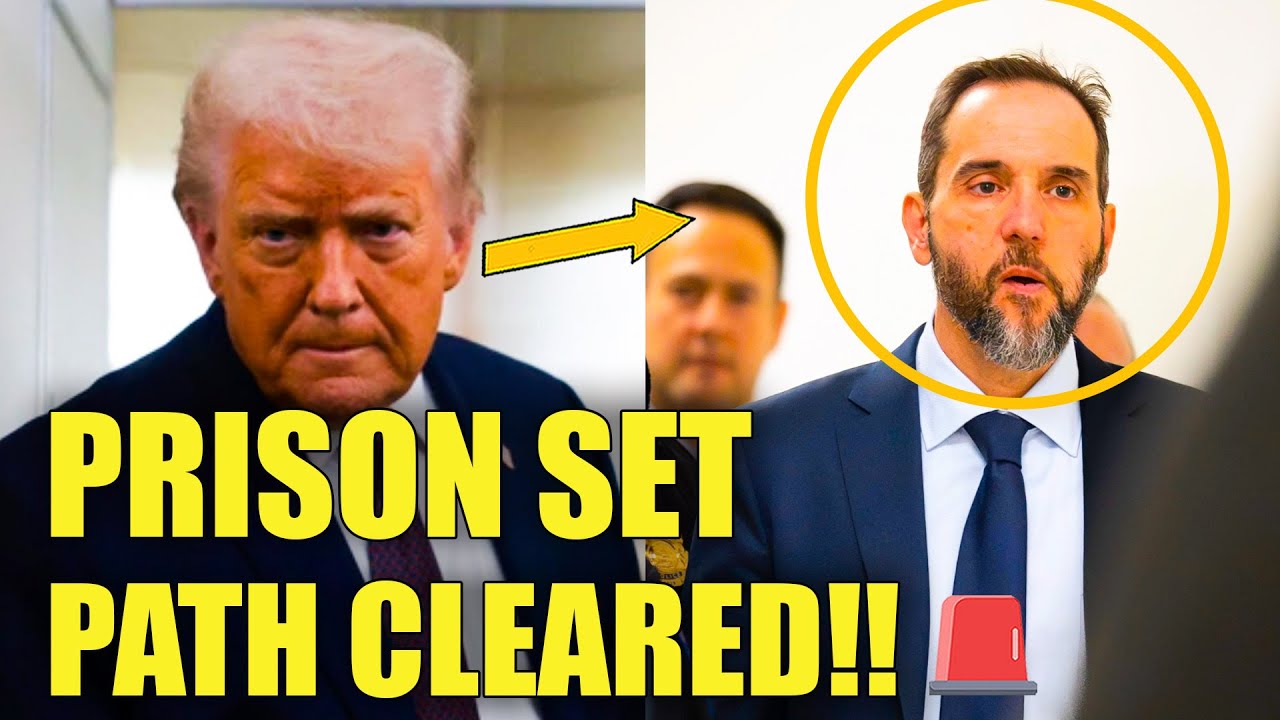
Yet the immunity ruling — combined with Mr. Trump’s current status as president — has clouded the outlook. Federal cases overseen by Jack Smith are effectively paused while Mr. Trump is in office, in line with longstanding Justice Department policy against prosecuting a sitting president. State cases now face new constitutional hurdles.
“There’s a growing gap between legal culpability and actual punishment,” said one former Justice Department official. “The evidence may be strong, but the path to incarceration is anything but.”
Delay as a strategy
Time itself may be Mr. Trump’s most powerful ally. Appeals can take years, and statutes of limitations continue to loom over conduct tied to the 2020 election. If Mr. Trump serves a full term through 2029, some potential charges could become legally or politically impractical to pursue.
Defense lawyers have consistently sought to slow proceedings, filing expansive motions and appeals at every stage. The immunity ruling has given that strategy new force, requiring judges to parse each act and each piece of evidence to determine whether it is official or private.
Accountability versus the presidency
The dispute has reignited a deeper debate about accountability at the highest levels of government. The Supreme Court said its ruling was designed to protect the presidency itself, not any individual officeholder, from politically motivated prosecutions.
Critics argue that the effect may be the opposite.
“In trying to shield the office, the Court may have made it nearly impossible to hold a president accountable for wrongdoing,” said Kathleen Clark, a law professor at Washington University in St. Louis. “That’s a profound shift.”
Supporters of the ruling counter that criminalizing presidential decision-making could cripple the executive branch, inviting endless legal harassment from political opponents.
What comes next
The New York judge is expected to rule in the coming weeks on whether the conviction should be vacated, modified, or left intact. Any decision is almost certain to be appealed, potentially sending the case back into the appellate courts — and perhaps eventually to the Supreme Court itself.
Even if the conviction stands, sentencing could be delayed for months or longer. If it falls, the case would become a striking example of how swiftly the legal ground beneath American politics is shifting.
For now, one reality remains unchanged: the facts established at trial — the hush-money payment, the falsified records, the jury’s unanimous verdict — are part of the public record.
Whether they ever translate into a prison sentence is a question the courts, and the country, are still struggling to answer.
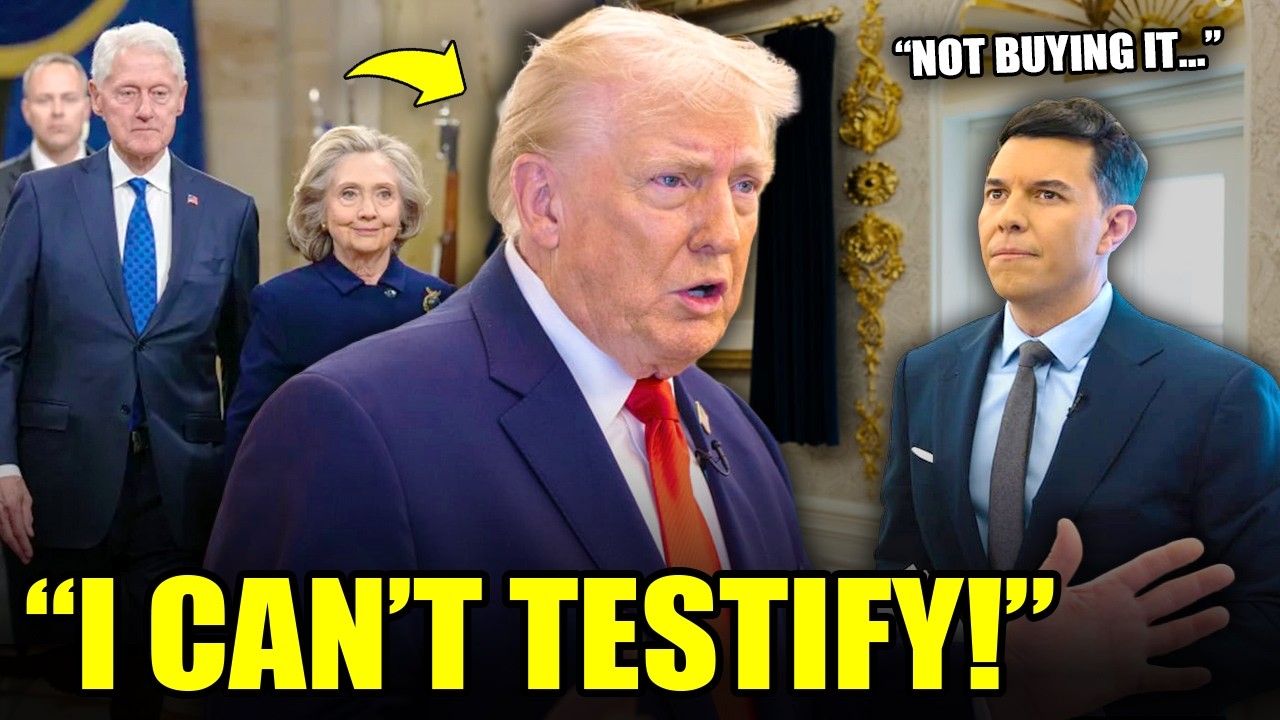
As pressure mounts in Washington to release the full Jeffrey Epstein files, one question is growing louder by the day: Why won’t Donald Trump raise his hand and testify under oath?
The answer may lie in a long, uncomfortable, and increasingly well-documented history — one that Trump himself has acknowledged, denied, contradicted, and avoided for years.
The connection between Donald Trump and Jeffrey Epstein is not speculation. It is not new. And it is not confined to rumor.
Trump’s Own Words on Epstein
Donald Trump has publicly admitted that he knew Jeffrey Epstein for more than 15 years. In a now-infamous quote, Trump once said Epstein “liked beautiful women as much as I do,” adding that “many of them are on the younger side.”
At the time, the comment raised eyebrows. In hindsight, it reads as a warning sign.
Trump later attempted to distance himself from Epstein, claiming they were not close and denying certain forms of contact. But court records and sworn testimony have complicated that narrative.
Flight Records and Contradictions
During the 2021 trial of Ghislaine Maxwell, evidence emerged showing that Trump had flown on Epstein’s private jet seven times, contradicting his earlier denials.
Flight logs are not opinions. They are records.
While Trump has insisted that he never traveled on Epstein’s plane, the documented evidence presented under oath tells a different story — one that undermines his credibility and raises questions about what else he may be concealing.
The Katie Johnson Allegations
Perhaps the most disturbing chapter involves a lawsuit filed by a woman using the pseudonym Katie Johnson, who alleged that she was raped by Donald Trump at an Epstein residence when she was 13 years old.
The case was ultimately withdrawn amid reported threats and intimidation, but the allegations remain part of the public record. Trump has denied the claims. No criminal conviction followed.
Still, the existence of the lawsuit — combined with Epstein’s proven pattern of trafficking underage girls — continues to fuel scrutiny.
Clintons Agree to Testify — In Public
This week, the political stakes escalated.
Former Secretary of State Hillary Clinton publicly stated that she and former President Bill Clinton are willing to testify before Congress about the Epstein files — in a fully public hearing.
Her message to House Oversight Chairman James Comer was blunt:
“Let’s stop the games. You talk about transparency. There is nothing more transparent than a public hearing. Cameras on. We will be there.”
The subtext was unmistakable: If others are willing to testify under oath in public, why isn’t Donald Trump?
Why Trump Avoids Oath-Bound Testimony
Trump’s history under oath offers clues.
In the deposition related to writer E. Jean Carroll, whom a jury later found Trump liable for sexually abusing, Trump infamously defended himself by saying Carroll was “not my type.”
The statement stunned observers — not only for its cruelty, but for its logic. Trump has used the same defense repeatedly when accused of inappropriate conduct, including allegations involving women on airplanes.
Under oath, Trump also repeatedly invoked his Fifth Amendment rights in civil and criminal matters — a sharp contrast to his past attacks on others for doing the same.
A Pattern, Not an Isolated Incident
Trump has been accused by more than two dozen women of sexual misconduct over several decades. These accusations span from groping to assault and include claims from women with no connection to one another.
In contrast, while Bill Clinton’s personal history is deeply flawed — including the Monica Lewinsky scandal and Paula Jones lawsuit — Clinton was never found civilly liable for rape, nor accused by dozens of women across generations.
That distinction matters in legal and historical terms.
Epstein Files and the Fight Over Transparency
Democrats have now stated publicly that if Bill Clinton is compelled to testify, Donald Trump must also be called.
Even some Republicans have broken ranks. Representative Marjorie Taylor Greene, in a rare moment of alignment with Democrats, has openly demanded the full release of the Epstein files, asking:
“If President Trump is not implicated, what exactly is being protected here?”
Her question echoes what many Americans are now asking.
Why the Files Matter
The Epstein case is not about partisan politics. It is about power, abuse, and accountability.
Epstein was convicted of sex trafficking minors. His network included billionaires, politicians, royalty, and celebrities. Victims have repeatedly stated that powerful men were protected — while they were silenced.
If Donald Trump has nothing to hide, public testimony would offer clarity. Instead, his refusal fuels suspicion.
The Fifth Amendment Irony
Trump has spent years attacking constitutional protections when they inconvenience him — criticizing the First, Fourth, and Fourteenth Amendments.
Yet when scrutiny turns personal, he embraces the Fifth Amendment with remarkable enthusiasm.
That contradiction has not gone unnoticed.
The Bigger Picture
This moment is about more than Epstein.
It is about whether a former president — and potential future one — is willing to submit to the same legal and moral standards as everyone else.
Refusing to testify does not prove guilt. But avoiding transparency in the face of overwhelming public interest raises serious questions.
As the Epstein files continue to surface and congressional pressure builds, one truth becomes harder to ignore:
Silence is not innocence — especially when the record already speaks.
A breathtaking political drama unfolded in the U.S. Senate late on the night of October 16. President Donald Trump, who has long prided himself on his negotiation skills and absolute power in his second term, was dealt a cold reality check when his emergency legislative package was rejected by a coalition of 60 Senators.
This was not merely a legislative failure; it represents the strongest bipartisan resistance since Trump returned to the White House, pushing the government into the 16th day of a shutdown.
1. A Midnight Terror in the Senate
While President Trump sat in the White House, confident that his legislative package would pass with ease, an unexpected alliance was forming at Capitol Hill. It wasn’t just Democrats; a significant group of Republican Senators also said “No”.
The Failure of the 60-Vote Rule: In the U.S. Senate, at least 60 “yes” votes are required to end debate and move to a final vote (cloture). Mr. Trump failed to reach this threshold for both of his most critical bills.
Short-term Budget Bill: Failed with a vote of 51-45, falling well short of the 60 votes needed to clear the way for passage.
Military Spending Bill: An area traditionally considered “untouchable” was also blocked due to resistance from both parties.
2. The “Fatal Flaws” in Trump’s Legislative Package
Why did the President’s relief package turn members of his own party against him? The answer lies in the controversial conditions Mr. Trump intentionally “bundled” into the deal.
Healthcare Cuts (Obamacare): Mr. Trump insisted on cutting healthcare tax credits that support insurance for millions of Americans. Democrats viewed this as a “red line” that could not be crossed.
Hardline Immigration Policies: The package included aggressive enforcement measures and funding for mass deportations—policies that moderate Senators feared would trigger a voter backlash ahead of the 2026 midterm elections.
Federal Employee Firing: During the shutdown, Mr. Trump fired a large number of federal employees. Democrats demanded the full reinstatement of these workers as a condition to reopen the government, but the White House flatly refused.
3. Is the “Art of the Deal” Backfiring?
Donald Trump has always cultivated an image as a master “dealmaker.” However, after 16 days of a government shutdown, this image is severely tarnished.
Fractures within the GOP: Senate Majority Leader John Thune admitted there had been no progress throughout two weeks of negotiations. Republican Senators from “purple” (swing) states are terrified that supporting Trump’s extreme policies will cost them their seats in 2026.
Loss of Control: This defeat demonstrates that Mr. Trump no longer holds the absolute sway over lawmakers that he did in his first term. With no possibility of re-election, the fear lawmakers once had of him has diminished, and they are beginning to prioritize their own political futures over the President’s agenda.
4. The Pain of the American People
Behind the political infighting, the lives of millions are being upended.
Federal Workers Without Pay: Millions have just missed their first paycheck. They are facing bank debts, rent payments, and rising living costs with no idea when their income will return.
Paralyzed Public Services: From national parks to tax return processing, everything is at a standstill. Even flood insurance for residents in disaster zones has been frozen, making real estate transactions impossible to complete.
Conclusion: A Stormy Second Term
The defeat on the night of October 16 is a milestone that redefines Donald Trump’s power. It proves that even with a powerful President, the American system of Checks and Balances is still functioning.
If a common ground on the budget cannot be found, Mr. Trump faces the next three years in a state of legislative paralysis. The 2026 midterms are approaching, and the American voters will ultimately deliver the final verdict on this deadlock.
Breaking news out of Washington: Susie Wiles, President Trump’s chief of staff and arguably the most powerful person in the White House after the president himself, has resigned effective immediately.
Her departure follows weeks of mounting chaos inside the administration, including the Texas election loss, DOJ turmoil, ethics officials stepping down, and renewed controversy around the Epstein files.
Sources say Wiles cited irreconcilable differences over how President Trump is handling the growing number of scandals and the constant blame game inside the West Wing.
Despite working long hours to keep the administration functioning, she reportedly became the latest scapegoat after Trump privately blamed her for the Texas defeat.
The resignation is a major blow. The chief of staff is the backbone of any White House, and Wiles’ exit marks the seventh senior official to leave in just the first two months of 2026. While Trump claims “fake news” forced her hand, the reality points to deep instability.
With midterms approaching, this shake-up raises serious questions about whether the administration can govern effectively going forward.
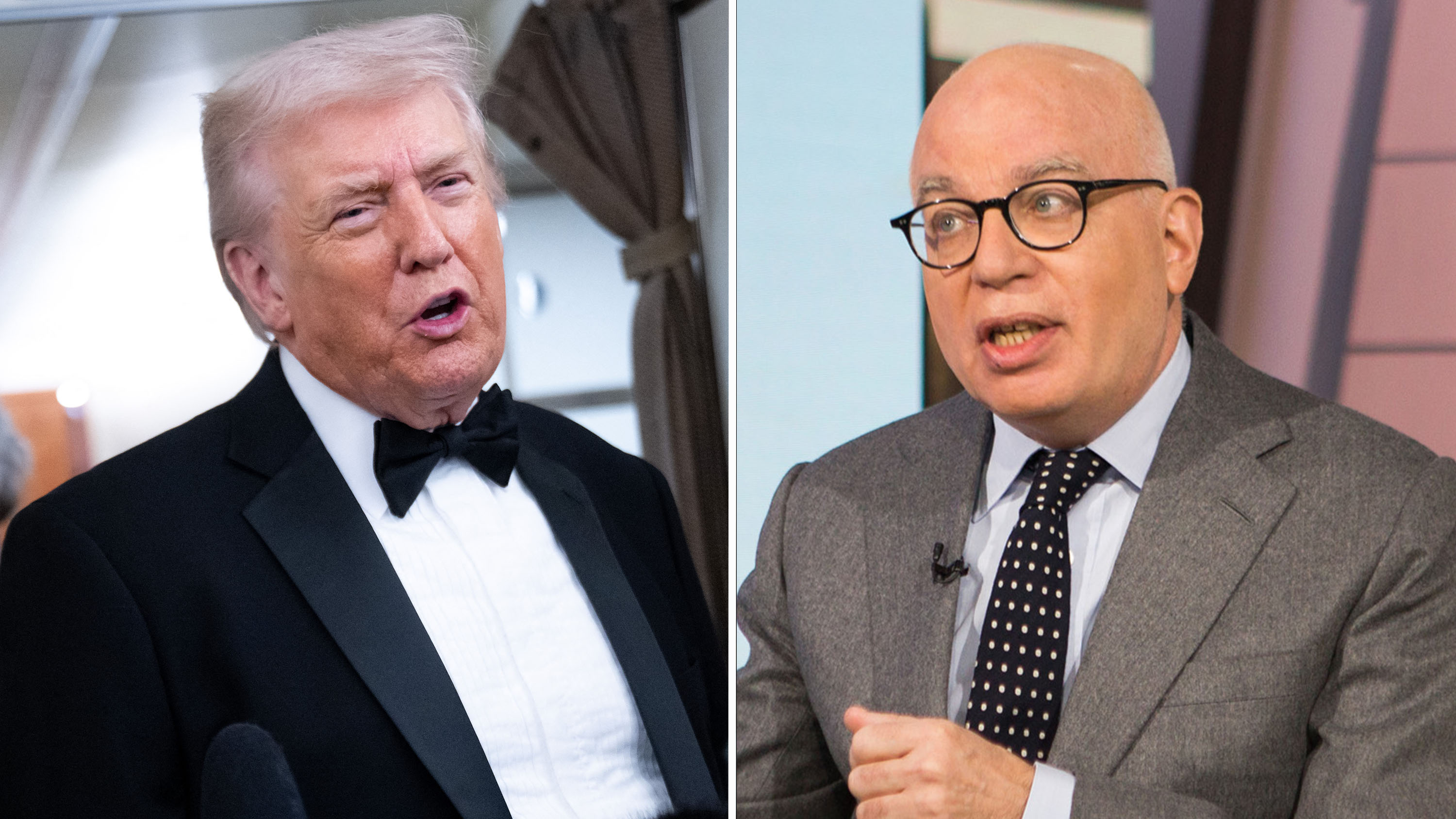
Former President Donald Trump has once again placed himself at the center of a growing political and legal storm, signaling plans to file a lawsuit against author and journalist Michael Wolff following the emergence of newly surfaced Epstein-related materials. The announcement has immediately reignited fierce debate over credibility, motive, and timing—while reopening long-simmering questions about what the public still does not know regarding the Epstein case and the powerful figures connected to it.
According to Trump, Wolff has engaged in what he describes as “reckless and malicious falsehoods,” allegedly using Epstein-linked narratives to damage Trump politically and personally. Wolff, best known for a series of controversial books about Trump’s presidency, has firmly denied any wrongdoing, standing by his reporting and insisting that his work relies on sourcing consistent with journalistic standards.
What might have remained a familiar clash between Trump and a hostile author has now escalated into something larger. With renewed attention on Epstein-related files, the dispute has become a flashpoint for broader concerns about transparency, accountability, and the unresolved gaps that continue to surround one of the most disturbing scandals involving elite power networks in modern American history.
A Lawsuit With Strategic Timing
Legal analysts note that Trump’s threat of litigation comes at a particularly sensitive moment. Newly surfaced materials—while not necessarily introducing explosive new criminal allegations—have revived public interest in who knew what, when they knew it, and why so many questions remain unanswered years after Epstein’s death.
Trump’s allies argue the lawsuit is a defensive necessity, framing Wolff as a provocateur who profits from sensationalism and recycled insinuations. They contend that Epstein’s name is being weaponized politically, used less to pursue justice for victims and more to keep Trump entangled in controversy.
Critics, however, see the timing differently. They argue that threatening legal action now serves to shift the narrative away from the substance of the Epstein files and toward a personalized feud. “This is a classic Trump move,” said one former federal prosecutor. “Turn a systemic issue into a personal battle, where he feels more comfortable controlling the terms.”
Wolff Pushes Back
Michael Wolff has responded bluntly, rejecting Trump’s accusations and questioning whether the lawsuit will ever materialize. Wolff has emphasized that the real issue is not his books or commentary, but the persistent lack of clarity surrounding Epstein’s relationships with influential figures across politics, finance, and media.
“This isn’t about me,” Wolff said in a recent statement. “It’s about why the public keeps being told that there’s nothing more to see—while documents are missing, redacted, or quietly dismissed.”
That sentiment has resonated with a segment of the public increasingly skeptical of official assurances that the Epstein investigation has reached its natural conclusion.
The DOJ Questions That Won’t Go Away
Central to the renewed controversy are unresolved questions about the Department of Justice’s handling of Epstein-related materials. Critics from both the left and right have raised concerns about missing documents, inconsistent disclosures, and the narrow scope of past investigations.
Despite years of review and what officials describe as exhaustive examination of evidence, the DOJ has repeatedly indicated that no further prosecutions are forthcoming. For many observers—especially survivors and their advocates—those statements ring hollow.
The frustration is compounded by heavy redactions in released files and reports that sensitive information was either withheld or inadequately explained. In that context, the Trump–Wolff dispute feels less like an isolated legal clash and more like a symptom of a deeper institutional credibility problem.
Politics, Power, and Selective Outrage
Trump’s supporters argue that he is being unfairly singled out while others named in Epstein-related contexts escape similar scrutiny. They point to what they describe as selective outrage—where political enemies are targeted aggressively while powerful allies of the establishment are quietly shielded.
Opponents counter that Trump’s framing centers himself at the expense of victims, transforming a case about exploitation and abuse into another chapter of grievance politics. They argue that threatening lawsuits against journalists does little to advance transparency and may, instead, discourage deeper inquiry.
“This keeps becoming about Trump versus whoever,” said a media ethics professor. “But the real issue is why accountability for elite misconduct remains so elusive.”
More Than One Book, More Than One Lawsuit
As calls for transparency grow louder, it is increasingly clear that this dispute is no longer just about Michael Wolff or a potential defamation lawsuit. It has become a proxy battle over truth, power, and the limits of public disclosure.
Even if Trump never formally files the lawsuit, the signal alone has consequences—energizing supporters, provoking critics, and once again placing the Epstein files at the center of national conversation. Each renewed clash underscores how unfinished this story remains, despite repeated efforts by institutions to declare it closed.
In the end, the most pressing question is not whether Trump sues Wolff, or whether Wolff prevails in the court of public opinion. It is what remains unseen in the Epstein record—and why, years later, those missing answers continue to matter so profoundly.
Until those gaps are fully addressed, every lawsuit threat, every media fight, and every political accusation will feel like another attempt to control the narrative rather than confront the truth.
President Donald J. Trump, in the first year of his second term, has found himself at the center of intensifying public discontent, with recent national polls reflecting a sharp decline in his job approval ratings and widespread calls for change echoing across social media and public spaces.
Mounting Disapproval as Polls Signal Deepening Crisis
Recent surveys paint a stark picture of eroding support for the president. Aggregated data from major polling organizations, including The New York Times, Pew Research Center, and Nate Silver’s Silver Bulletin, show Mr. Trump’s approval hovering in the low to mid-40s at best, with disapproval often exceeding 55 percent. As of early February 2026, net approval figures have dipped into negative territory, reaching as low as -15 in some averages. A Pew poll conducted in late January placed his approval at 37 percent, with 61 percent disapproving, marking a notable slide from earlier in his term. Strong disapproval has surged, with nearly half of respondents expressing intense opposition to his performance.
These numbers reflect broader frustration over a series of policy initiatives and events that have dominated headlines. Immigration enforcement actions, including high-profile operations in states like Minnesota, have drawn sharp criticism amid reports of aggressive tactics and isolated incidents of violence. Economic pressures, including debates over tariffs and their impact on affordability, have further fueled dissatisfaction, even as some sectors report gains. Many Americans, according to recent surveys, view the administration’s actions as falling short of expectations, with more than half in certain polls describing the past year as worse than anticipated.
Viral Outrage and the Rise of “TrumpOutNow”
What began as scattered expressions of unease has coalesced into a visible wave of online activism. The hashtag #TrumpOutNow has trended repeatedly on platforms like X (formerly Twitter) and TikTok, amassing millions of views and shares. Viral videos and memes circulate widely, amplifying narratives of frustration with the president’s leadership style and decisions. Former supporters in some cases have publicly shifted their stance, contributing to a sense of fracturing coalitions that once appeared solid.
Social media users have shared clips purportedly showing moments of presidential frustration, including reports of heated exchanges and outbursts in private settings. While details vary and some accounts remain unverified, the circulation of such content has intensified perceptions of instability. Petitions circulating online have garnered significant signatures, calling for accountability or even removal, though they lack formal legal weight at this stage. Street demonstrations in several cities have drawn crowds chanting slogans of discontent, underscoring a shift from online sentiment to public action.
Reports of Private Strain Amid Public Turmoil
Insiders and anonymous sources have described tense scenes behind closed doors, particularly at the president’s Mar-a-Lago residence in Florida. Accounts suggest episodes of visible anger, including claims of objects being damaged in frustration during strategy sessions with advisers. These reports, while difficult to confirm independently, align with a pattern of Mr. Trump’s characteristically direct and unfiltered communication style, which has both energized his base and alienated others.
Even among some longtime allies, there are signs of strain. Defenses from MAGA loyalists persist on social media, but the volume of critical voices—including from those who once voted for him—has grown noticeably. The contrast highlights a polarized landscape where support remains fervent in certain quarters but appears increasingly isolated.
A Presidency Defined by Volatility
Mr. Trump’s second term has been marked by rapid policy shifts, high-stakes confrontations, and relentless scrutiny. From immigration crackdowns to economic measures and responses to international developments, each decision has sparked debate. Recent controversies, including those tied to document releases and enforcement operations, have compounded challenges, contributing to a perception of governance under siege.
As the nation approaches the 2026 midterm elections, these dynamics could reshape the political battlefield. Democrats have seized on the polling trends to argue for a course correction, while Republicans emphasize core achievements in areas like national security and energy. Yet the breadth of disapproval suggests a broader reckoning, with many Americans expressing a desire for stability amid ongoing turbulence.
The coming months will test whether this wave of discontent solidifies into lasting political consequences or proves fleeting in a landscape accustomed to dramatic turns. For now, the conversation around the presidency remains dominated by questions of public trust, leadership under pressure, and the limits of resilience in an era of constant visibility.
In the early hours of the morning, a lurid claim began ricocheting across social media feeds: that former President Bill Clinton had somehow “revealed” a so-called sex tape involving Donald Trump, igniting fury and panic. The allegation spread quickly, fueled by screenshots, breathless captions, and familiar insinuations tied to Jeffrey Epstein. Within hours, however, one fact became unavoidable—there was no verified tape, no substantiated disclosure, and no evidence to support the claim as it was being presented.
What was real, and far more consequential, was the broader controversy surrounding the Epstein files and how powerful figures—across politics, finance, and celebrity—continue to frame the issue around themselves rather than the survivors at its center.
From Evidence to Spectacle
The renewed attention stems from ongoing congressional and Justice Department handling of materials related to Epstein’s trafficking network. Lawmakers from both parties have pushed for testimony from prominent figures named in documents connected to Epstein, arguing that sunlight is necessary after years of secrecy and stalled accountability.
In that context, Bill and Hillary Clinton have agreed to testify before Congress and have requested public hearings. Importantly, Bill Clinton has not been charged with any crime related to Epstein. Still, questions persist about why influential individuals maintained associations with Epstein long after his predatory behavior was publicly documented. Those questions are legitimate—and they are very different from unproven viral claims.
Yet the internet thrives on conflation. As hearings loom, sensational narratives have rushed in to fill the information vacuum, transforming a complex legal reckoning into click-driven spectacle.
Trump’s Framing—and Public Pushback
Donald Trump has responded to the unfolding scrutiny by reframing the Epstein materials as proof of a conspiracy against him personally. In public statements, he has argued that the documents are being weaponized to damage him politically—an assertion investigators and many members of the public have rejected.
Critics note a striking pattern: rather than emphasizing justice for victims, Trump’s rhetoric centers on reputational harm to himself. That posture has drawn backlash, particularly from survivors’ advocates who argue that the moment should be about accountability, not grievance politics.
“The files aren’t about exonerating or condemning one powerful man,” said one advocate. “They’re about understanding how an entire ecosystem failed victims for decades.”
DOJ Decisions Under Fire
Anger is also mounting over the Justice Department’s handling of the materials. Despite reportedly spending enormous resources reviewing documents, officials have signaled there may be no new prosecutions. Survivors have reacted with frustration and outrage, especially after releases included heavy redactions while, in some cases, exposing victims’ personal information.
To many, the process feels inverted: institutions appear to be protecting themselves and managing political fallout rather than aggressively pursuing truth and justice. The perception—fair or not—is that accountability thins as power increases.
Why Viral Claims Gain Traction
The explosive rumor about a “sex tape” illustrates how quickly misinformation can dominate when public trust is low. In an environment shaped by secrecy, delayed disclosures, and inconsistent messaging, even implausible claims can feel believable to audiences primed to expect the worst.
But conflating unverified allegations with documented failures does real harm. It muddies the record, distracts from serious inquiry, and risks retraumatizing survivors whose experiences are once again overshadowed by the reputations of powerful men.
The Real Stakes
At its core, the Epstein reckoning is not a partisan drama or a contest of scandals. It is a test of whether institutions can investigate elite misconduct without fear or favor—and whether victims finally receive answers after years of neglect.
Public hearings, transparent testimony, and careful separation of fact from fiction will matter far more than viral claims. If Congress proceeds responsibly, it could help restore some measure of confidence. If not, the cycle of spectacle will continue, and accountability will remain elusive.
For now, the internet may be captivated by shocking headlines. But the truth—slower, less sensational, and far more important—lies in whether the system can move beyond self-protection and finally center justice where it belongs: with the survivors, not the powerful figures arguing over their own reflections in the scandal.