

WASHINGTON — Former President Bill Clinton and former Secretary of State Hillary Clinton have agreed to provide testimony before the House Oversight Committee regarding matters related to Jeffrey Epstein, according to a spokesperson for Mr. Clinton. Their decision comes ahead of a planned committee vote that could have held them in contempt of Congress for noncompliance with subpoenas issued months ago. The depositions, scheduled for late February, will be filmed and transcribed. While congressional investigations involving former presidents are not unprecedented, legal scholars note that compelling a former president to testify under threat of contempt represents a rare and significant moment in the evolving relationship between Congress and past occupants of the Oval Office.
The agreement follows months of negotiation between the committee, led by Representative James Comer, Republican of Kentucky, and attorneys for the Clintons. In a statement, a spokesperson for Mr. Clinton said the former president and secretary of state “look forward to cooperating and setting a precedent that applies equally.” Committee officials have indicated that the proceedings will initially take place in a deposition format, though the possibility of public testimony has been discussed. The scope of questioning is expected to focus on any knowledge the Clintons may have had concerning Mr. Epstein’s activities or associations during the years when he maintained relationships with numerous public figures.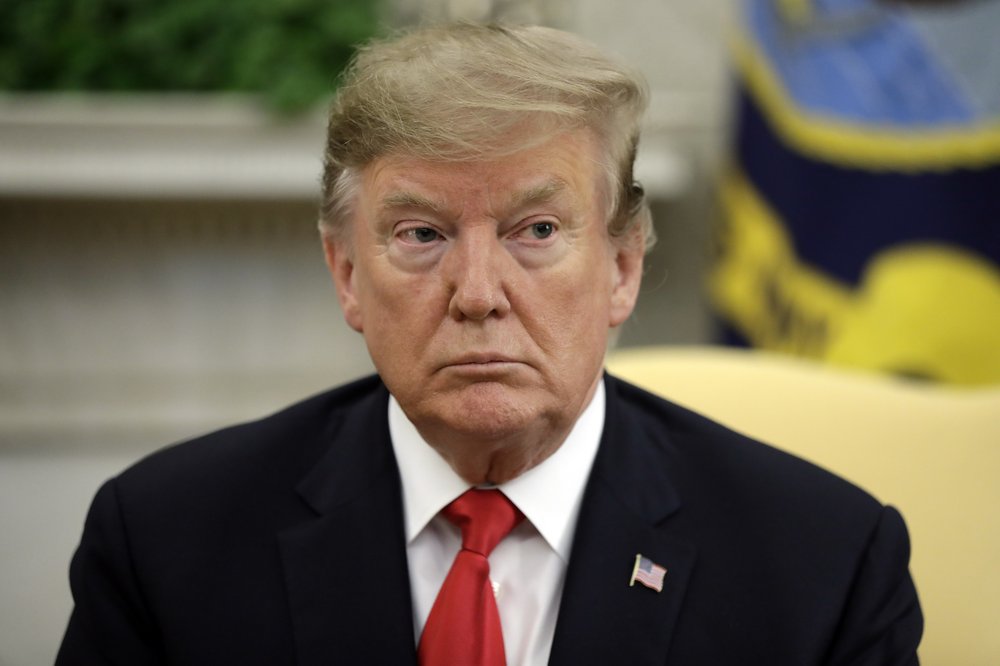
The decision carries political implications beyond the immediate inquiry. Several Democratic lawmakers have publicly suggested that if Congress establishes a precedent of compelling testimony from former presidents, that standard should apply broadly. Representative Ted Lieu of California told reporters that “no former president should be categorically exempt from oversight.” Others have framed the development as part of a broader debate about executive accountability after leaving office. Legal experts caution, however, that each subpoena carries its own constitutional considerations and that precedent, while influential, does not automatically determine future outcomes.
Former President Donald J. Trump, responding to questions in a recent television interview, expressed discomfort with the prospect of former presidents being drawn into congressional testimony. Mr. Trump said he believed such inquiries could become politicized. He did not directly address whether he would comply with a hypothetical future subpoena but noted that he has previously faced legal proceedings unrelated to congressional oversight. His comments reflect the sensitivity surrounding investigations tied to Mr. Epstein, whose network included business leaders, politicians and other prominent individuals over several decades.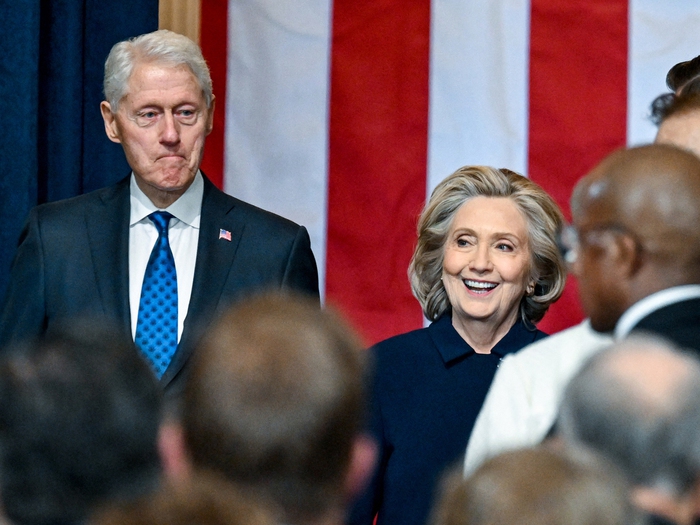
The Oversight Committee’s work is unfolding alongside other developments connected to the Epstein case. The Justice Department has released millions of pages of documents, with lawmakers given access to additional materials in secure settings. Separately, Ghislaine Maxwell, who is serving a federal sentence related to her role in Mr. Epstein’s activities, is scheduled to appear virtually before the committee. Her legal team has indicated she intends to invoke her constitutional rights against self-incrimination. Committee members from both parties have said the inquiry is ongoing and could expand depending on the information gathered.
For now, the Clintons’ agreement to testify has introduced a new chapter in congressional oversight of former presidents. Supporters of the inquiry argue that public trust depends on equal application of investigative authority, while critics warn against normalizing politically charged testimony that could blur the separation between oversight and partisanship. As the scheduled depositions approach, lawmakers and legal observers alike will be watching closely to see how the process unfolds — and what it may signal for future interactions between Congress and former holders of the nation’s highest office.
Leave a Reply