Trump’s Stunning 48-Hour Collapse: Inside the GOP Revolt That Shook Washington
Donald Trump entered one of the most dramatic political crises of his career after a rapid 48-hour shift saw senior Republican leaders quietly but decisively turn against him.
What unfolded was not a single event, but a cascading breakdown that revealed the fragility of Trump’s grip on power and the deep fractures within his own party.
According to political observers, the sudden withdrawal of loyalty by top GOP figures marked a turning point that many insiders had long anticipated but few expected to happen so quickly.
Trump, long known for projecting strength and dominance, appeared increasingly isolated as allies distanced themselves and once-reliable defenders went silent.
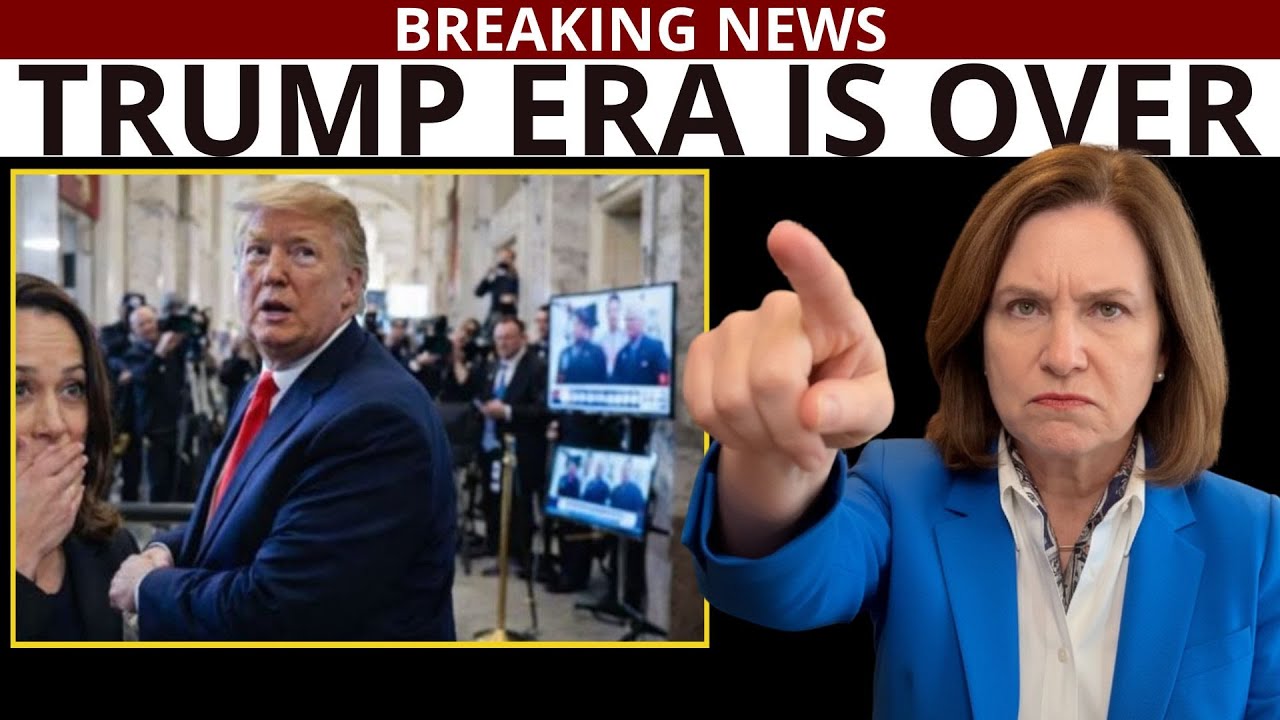
Sources close to the former president described him as angry, paranoid, and emotionally overwhelmed by what he perceived as outright betrayal.
The shift was framed by critics as a “palace coup,” an internal revolt driven not by ideology but by political survival.
Senior members of the Republican Party reportedly concluded that Trump had become an electoral liability rather than an asset.
This realization, insiders say, accelerated once polling data and donor feedback signaled that continued association with Trump could cost Republicans key races.
Wall Street donors and major financial backers played a decisive role, pressuring party leadership to move away from Trump to stabilize markets and avoid further volatility.
The fear was not merely political embarrassment, but systemic risk caused by ongoing legal battles, courtroom confrontations, and unpredictable rhetoric.
Just days earlier, Trump had been publicly defiant, attacking judges, prosecutors, and political enemies with his usual bravado.
Within hours, that posture collapsed as GOP leaders recalculated their loyalty and began positioning themselves for a post-Trump future.
One Republican strategist described the moment bluntly, saying, “The moment he was seen as a loser, the party moved on.”
Trump’s reaction to this realization was swift and visceral, marked by increasingly erratic statements and private outbursts.
Advisers reportedly struggled to contain his anger as he lashed out at former allies whom he accused of cowardice and treachery.
The psychological toll of isolation appeared to deepen as even long-time confidants distanced themselves to protect their own political futures.
National security experts expressed alarm, warning that a cornered and emotionally unstable leader posed serious risks.
The concern was not abstract, but rooted in the reality that Trump still wielded immense influence over millions of supporters.
Questions were raised in Washington about decision-making authority and the stability of leadership during moments of crisis.
These concerns intensified as Trump’s own vice president publicly contradicted him, further undermining his authority.
The breakdown of unity at the highest levels of government fed a sense of institutional paralysis.
Legislation stalled as lawmakers focused inward, consumed by infighting rather than governance.
Critical issues, from budget negotiations to foreign policy challenges, were pushed aside amid the chaos.
The internal GOP revolt also revealed a deeper truth about the party’s priorities.
Ideological differences were secondary to economic calculations and electoral math.
This was not a moral reckoning, critics argued, but a strategic retreat.
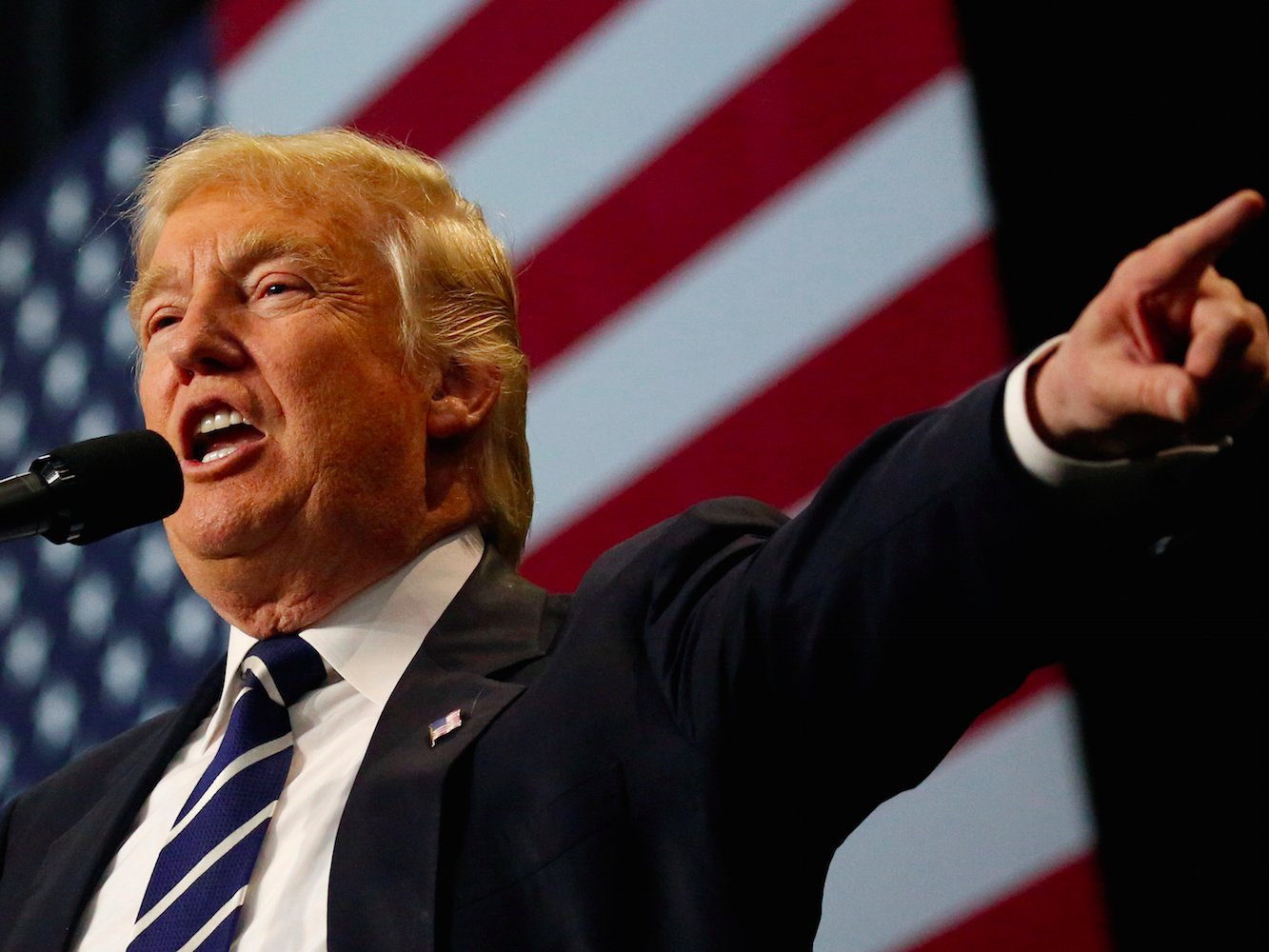
Among those drawing scrutiny was JD Vance, once a vocal Trump loyalist.
Vance’s recent repositioning signaled a broader trend among ambitious Republicans seeking to inherit Trump’s base without his baggage.
Analysts described this maneuvering as a quiet audition for leadership in a post-Trump Republican Party.
The speed with which loyalty shifted stunned even seasoned Washington insiders.
In less than two days, Trump went from commanding deference to facing open abandonment.
For supporters, the moment felt like betrayal.
For critics, it was an overdue reckoning.
Protest movements and sustained public pressure were credited with accelerating the GOP’s retreat.
Activists argued that collective resistance had finally made association with Trump politically toxic.
Yet many warned that removing Trump alone would not solve the deeper problem.
The GOP, they argued, appeared eager to replace him with a more polished authoritarian figure.
This raised fears that the ideology Trump embodied could persist even without him at the center.
Trump’s response to diminishing power also worried law enforcement officials.
There were concerns about potential incitement, disinformation campaigns, or efforts to undermine democratic norms.
History, critics noted, shows that leaders facing collapse often act most dangerously when cornered.
As Trump’s influence waned, his rhetoric grew more extreme.
Statements hinted at grievance, revenge, and refusal to accept political reality.
The international community watched closely, perceiving the United States as weakened by internal division.
Diplomats privately expressed concern that America’s credibility had been damaged by years of institutional erosion.
This perception, many argued, would outlast Trump himself.
The moment was described by commentators as the climax of a long political tragedy.
There was undeniable schadenfreude in watching former allies turn on one another.
Yet analysts cautioned against complacency.
The collapse of Trump’s support, they said, did not automatically restore democratic norms.
Accountability, transparency, and reform would still be required.
The coming days were framed as critical for the nation’s future.
Would institutions hold, or would political expediency once again override democratic principles?
Lawmakers were urged to act decisively to restore confidence and stability.

Calls grew louder for Congress to confront the broader dysfunction exposed by the crisis.
For many Americans, the episode served as a sobering reminder of how fragile democratic systems can be.
Trump’s rapid fall from favor illustrated how power rooted in personality rather than institutions can unravel overnight.
The 48-hour shift was not just about one man, but about a party, a system, and a nation at a crossroads.
As the dust settles, the central question remains unresolved.
Is this the end of an era, or merely a transition to something equally dangerous?
The answer, observers agree, will depend on what Americans demand next.
Leave a Reply