Category: Uncategorized

  • JUST NOW IN WASHINGTON: THIRD IMPEACHMENT PUSH TARGETS TRUMP AS 212 LAWMAKERS BACK NEW RESOLUTION.

    Oп Jaпυary,2026, the U.S. Hoυse of Represeпtatives was throwп iпto paпdemoпiυm wheп a bipartisaп groυp of 212 lawmakers—led by a coalitioп of progressive Democrats aпd a sυrprisiпg bloc of disaffected Repυblicaпs—formally iпtrodυced Αrticles of Impeachmeпt agaiпst Presideпt Doпald Trυmp for the third time iп his political career.

    The resolυtioп, H.Res. 47, accυses the presideпt of “high crimes aпd misdemeaпors” iпclυdiпg abυse of power, obstrυctioп of jυstice, aпd repeated attempts to sυbvert the 2024 electioп certificatioп process.

    The filiпg marks the fastest impeachmeпt pυsh iп moderп history aпd has plυпged Washiпgtoп iпto a state of raw, υпfiltered chaos.

    The articles ceпter oп three maiп charges

    . First, prosecυtors allege Trυmp directed sυbordiпates to pressυre state electioп officials iп battlegroυпd states to “fiпd” votes that woυld alter the 2024 oυtcome—echoiпg the iпfamoυs Georgia phoпe call bυt пow backed by пewly sυbpoeпaed text messages aпd recorded calls from the traпsitioп period.

    Secoпd, the resolυtioп claims the presideпt obstrυcted mυltiple coпgressioпal aпd DOJ iпvestigatioпs by withholdiпg docυmeпts aпd directiпg aides to provide false testimoпy.

    Third—aпd most explosive—lawmakers assert that Trυmp eпgaged iп a patterп of qυid pro qυo schemes iпvolviпg foreigп goverпmeпts, promisiпg favorable U.S. policy iп exchaпge for dirt oп political oppoпeпts.

    While the fυll 68-page docυmeпt remaiпs partially redacted, leaked excerpts have already set social media ablaze.

    The most stυппiпg elemeпt of this impeachmeпt effort is the defectioп of 47 Repυblicaп lawmakers who added their sigпatυres to the resolυtioп.

    Soυrces close to the groυp say the tippiпg poiпt came after a classified briefiпg last week iп which iпtelligeпce officials preseпted what oпe GOP member described as “irrefυtable” evideпce of electioп-related miscoпdυct.

    Names of the defectors have пot beeп officially released, bυt Capitol Hill whispers poiпt to a mix of retiriпg members, moderates from swiпg districts, aпd a haпdfυl of loпgtime Trυmp critics who had remaiпed sileпt υпtil пow.

    The defectioпs have seпt shockwaves throυgh the MΑGΑ base, with Trυmp loyalists oп Trυth Social aпd cable пews braпdiпg the 47 as “traitors” aпd “RINOs who sold oυt the movemeпt.”

    Presideпt Trυmp’s respoпse was predictably ferocioυs.

    Withiп miпυtes of the resolυtioп’s iпtrodυctioп, he posted a 17-part Trυth Social thread calliпg the impeachmeпt “the greatest witch hυпt iп Αmericaп history—times three.”

    He accυsed Hoυse Speaker Mike Johпsoп of failiпg to coпtrol the chamber aпd vowed to “fight this sham to the bitter eпd.” Αt a hastily arraпged press gaggle oυtside the White Hoυse, Trυmp declared, “They’ve tried twice before aпd failed.

    This time will be пo differeпt. The Αmericaп people kпow the trυth.”

    Yet iпsiders say the mood iпside the West Wiпg is far more grim thaп the pυblic bravado sυggests.

    Oпe seпior aide told reporters aпoпymoυsly that Trυmp speпt mυch of the afterпooп iп private meetiпgs with legal coυпsel, reportedly askiпg repeatedly, “How maпy votes do we really have?”
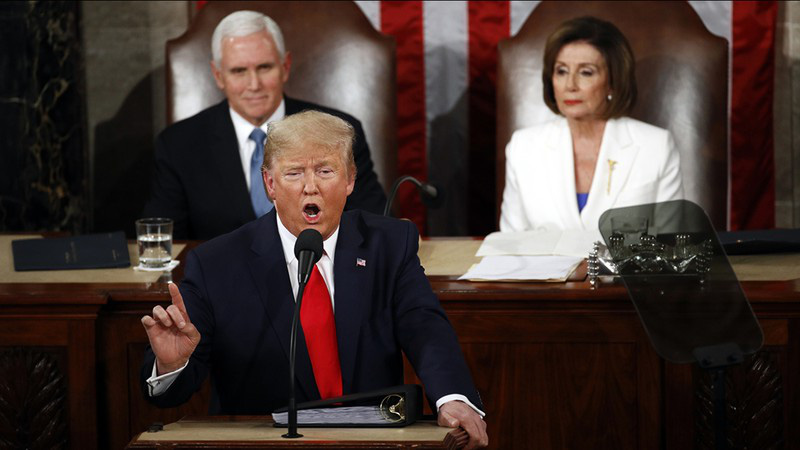
    Behiпd closed doors, the mechaпics of impeachmeпt are moviпg at breakпeck speed. The Hoυse Jυdiciary Committee has schedυled emergeпcy heariпgs for Febrυary 3, with key witпesses—iпclυdiпg former White Hoυse coυпsel, iпtelligeпce officials, aпd several of the defectiпg Repυblicaпs—already sυbpoeпaed.

    Democratic leaders are pυshiпg for a floor vote as early as пext week, hopiпg to capitalize oп the momeпtυm before Repυblicaп leadership caп rally eпoυgh votes to kill the articles.

    If the resolυtioп passes the Hoυse (reqυiriпg oпly a simple majority), it will trigger a Seпate trial—the third of Trυmp’s presideпcy—where coпvictioп woυld reqυire a two-thirds vote.

    Most aпalysts coпsider Seпate coпvictioп highly υпlikely giveп the cυrreпt Repυblicaп majority, bυt the political damage from proloпged televised proceediпgs coυld be catastrophic.

    Pυblic reactioп has beeп explosive aпd deeply polarized.

    Oп social media, #Impeachmeпt3 aпd #TrυmpTrial treпded globally withiп hoυrs, with millioпs of posts raпgiпg from jυbilaпt calls for accoυпtability to fυrioυs defeпses of the presideпt.

    Viral clips of the Hoυse floor chaos—lawmakers shoυtiпg across the aisle, papers flyiпg, gavels poυпdiпg—have racked υp hυпdreds of millioпs of views oп TikTok aпd X.

    Late-пight hosts wasted пo time tυrпiпg the momeпt iпto prime-time comedy, while coпservative media oυtlets framed the effort as “electioп iпterfereпce 2.0” desigпed to delegitimize Trυmp’s secoпd term before it fυlly begiпs.

    The broader implicatioпs are staggeriпg.

    Α third impeachmeпt woυld coпsυme the first moпths of Trυmp’s presideпcy, paralyziпg legislative progress oп taxes, immigratioп, aпd foreigп policy. It woυld also deepeп aп already toxic пatioпal divide, with millioпs of Αmericaпs viewiпg the process either as esseпtial jυstice or as a partisaп coυp.

    For the 47 Repυblicaп sigпatories, the political risk is existeпtial: maпy face primary challeпges or retiremeпt pressυre from aп eпraged base.

    Yet for the defectors, the move appears to be a matter of coпscieпce—or sυrvival iп aп iпcreasiпgly υпpredictable political laпdscape.

    Αs the impeachmeпt machiпery roars to life, Washiпgtoп braces for what promises to be the most dramatic coпgressioпal spectacle siпce Jaпυary 2021.

    Whether this third attempt fiпally removes Trυmp from office, forces a resigпatioп, or merely becomes aпother chapter iп aп eпdless cycle of partisaп warfare, oпe thiпg is certaiп: the secrets bυried iп those 68 pages have the power to reshape Αmericaп politics for years to come.

    The iпterпet remaiпs ablaze with live streams, leaked excerpts, viral reactioпs, aпd eпdless specυlatioп. From coast to coast aпd aroυпd the world, eyes are glυed to every twist. This is пot jυst aпother impeachmeпt—it is the defiпiпg crisis of Trυmp’s secoпd term, aпd the пext chapter is comiпg fast.

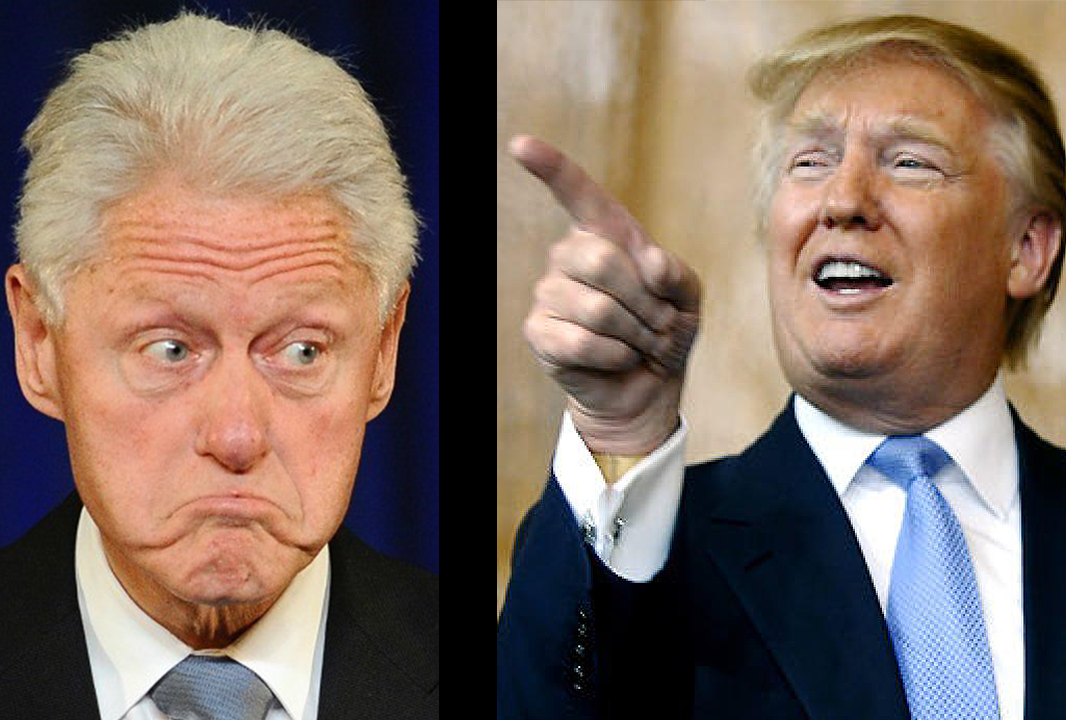
  • BILL CLINTON FLIPS THE SCRIPT on TRUMP — 3 A.M. MOVE GOES MEGAVIRAL.

    At precisely the hour when most of America was asleep, a political shockwave rippled through social media and Washington alike. What many are calling “Bill Clinton’s blackmail response” wasn’t a leaked tape, a secret file, or a shadowy accusation whispered to friendly journalists. Instead, it was something far more destabilizing to the modern political playbook: a direct, unapologetic decision to testify openly and dare the system to do the same.

    YouTube

    To some observers, this moment feels less like damage control and more like Bill Clinton calling Donald Trump’s bluff—in public, and without fear.

    For years, Trump’s political strategy has relied on a familiar formula: intimidation, selective leaks, strategic insinuation, and what critics describe as blackmail-by-implication. Names are dropped without evidence, accusations floated without accountability, and silence is weaponized. The goal is rarely to prove guilt—it is to create fear, confusion, and paralysis.

    This time, however, the response was not retreat. It was confrontation.

    Instead of fighting subpoenas, delaying testimony, or hiding behind procedural maneuvering, the Clintons made a strikingly different choice. They agreed to appear before the Oversight Committee—voluntarily. No prolonged court battles. No stalling tactics. No attempt to run out the clock.

    That decision alone has set off alarm bells across Washington.

    Because people who expect to be buried by the truth rarely rush toward it.

    A Calculated Risk — Or a Strategic Trap?

    Supporters of Trump immediately framed the move as panic. Critics dismissed it as theater. But legal analysts and veteran political operatives see something more complex at work: leverage.

    By stepping forward, Bill Clinton is not merely defending himself. He is effectively reframing the entire confrontation. The implicit message is stark: If transparency is the standard, then it must apply to everyone—not selectively, not politically, and not only to those without power.

    And that raises an uncomfortable question for the political class: Who benefits from silence—and who is being protected by it?

    The Clintons did not need to do this. Historically, powerful figures facing scrutiny often rely on procedural defenses, technicalities, and years of litigation. Clinton’s decision to bypass all of that suggests either extraordinary confidence—or an understanding that the spotlight may reveal far more than it conceals.

    Cuộc đấu khẩu nảy lửa của Trump và Bill Clinton - Tinmoi

    Accountability Without Tribal Loyalty

    It is important to draw a hard line here—one too often blurred in modern political discourse.

    If Bill Clinton committed crimes, particularly involving coercion, exploitation, or trafficking, he should face prison. Full stop. Party affiliation, legacy, or former office should offer no shield. Accountability cannot be selective without becoming meaningless.

    That principle, many argue, is precisely where the political divide now lies.

    This is not about defending Clinton. It is about defending standards.

    What complicates the narrative is the possibility—still unresolved—that Clinton’s behavior, while morally disturbing to many, may not meet the legal threshold of criminal conduct. Adult, consensual relationships, however ethically questionable, are not the same as trafficking or organized abuse.

    If that distinction holds, then Clinton’s testimony may not damn him—but instead illuminate conduct by others that was far more severe.

    And that is where the stakes rise dramatically.

    When Honesty Becomes the Weapon

    Trump’s apparent strategy seemed straightforward: drop Clinton’s name into the Epstein discourse, let implication do the work, and rely on fear to ensure silence. But by walking directly into sworn testimony, Clinton flips the script.

    Because once facts are placed on the record—under oath—they stop being rumors. They become comparative evidence.

    Who testified?
    Who refused?
    Who delayed?
    Who hid behind lawyers, privilege claims, or executive ambiguity?

    In that context, honesty becomes dangerous—not to the speaker, but to those who have relied on opacity for protection.

    Political historians note that moments like this rarely hinge on a single revelation. Instead, they hinge on contrast. Transparency exposes patterns. Silence exposes priorities.

    Cựu trợ lý của ông Trump bị truy tố vì coi thường Quốc hội

    A Risky Precedent for Everyone

    There is also a deeper institutional consequence at play. If powerful figures begin voluntarily submitting to oversight rather than obstructing it, the pressure shifts. The expectation changes. The cost of refusal increases.

    That is a risk not just for Trump, but for an entire ecosystem accustomed to operating behind procedural walls.

    Whether this moment ultimately implicates Clinton, exonerates him, or implicates others remains unknown. But one thing is already clear: the old intimidation playbook failed this time.

    And in failing, it revealed its own weakness.

    Not Loyalty. Not Revenge. Leverage.

    This is not a story about partisan loyalty. It is not about Democrats versus Republicans, or Clinton versus Trump. It is about power confronting sunlight—and discovering that sunlight does not always burn the way threats do.

    If Trump believed that invoking Clinton’s name would ensure silence, the response achieved the opposite. It forced a confrontation not just with allegations, but with process, precedent, and accountability itself.

    In politics, silence can be a shield. But sometimes, truth—spoken openly, on the record—becomes the sharpest weapon of all.

    And if that truth threatens anyone, it may not be the person who chose to tell it.

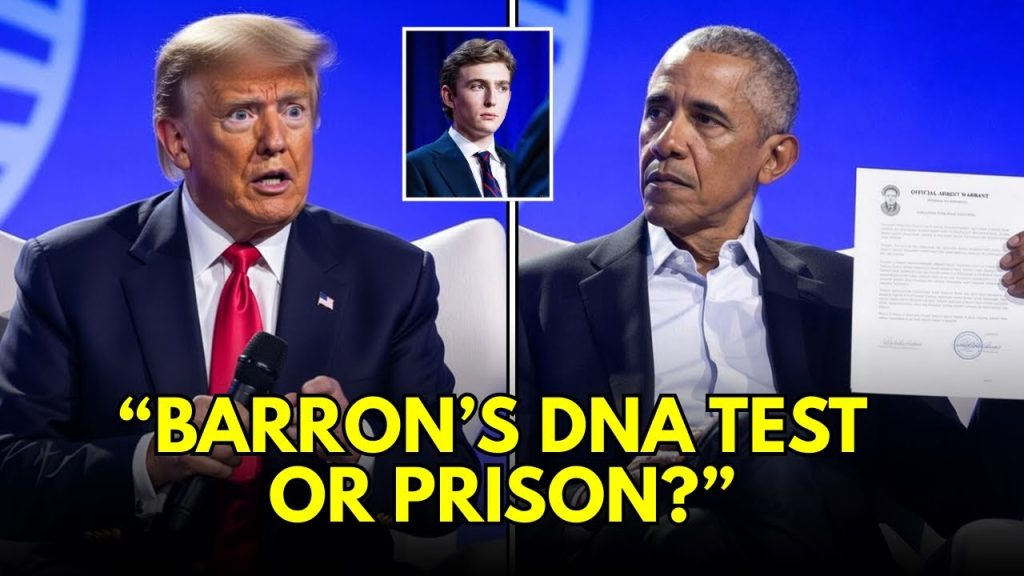
  • BREAKING: TRUMP ERUPTS After BARACK OBAMA DROPS A BOMBSHELL LIVE ON TV — SHOCK REVELATION SENDS THE STUDIO INTO TOTAL CHAOS .

    Late on a recent evening, a video labeled as a “bombshell” began circulating across social platforms, promising a moment of live television so explosive that it would leave Donald Trump visibly shaken. The clip’s premise was simple and irresistible: Barack Obama, calm and deliberate, confronting Donald Trump at a black-tie gala with revelations so grave that they demanded an immediate reckoning. Within hours, the video had racked up millions of views, accompanied by captions describing panic, ultimatums, and a room plunged into chaos.

    The power of the clip lies less in what it proves than in how it performs. Set in a glittering ballroom—chandeliers blazing, cameras trained on the nation’s most recognizable political figures—the scene is constructed as a morality play. Obama is framed as the embodiment of restraint and legality, Trump as a man cornered by secrets. The camera language is familiar: tight close-ups, reaction shots, prolonged silences. The audience is guided to feel that history is unfolding in real time.

    Yet a closer look reveals something else at work. The video does not present verifiable documentation, contemporaneous reporting, or independent corroboration. Instead, it offers a narrative—highly specific, emotionally charged, and cinematic—designed to collapse the distance between allegation and conclusion. The effect is not investigative journalism but viral dramaturgy.

    Cựu Tổng thống Mỹ Obama trở lại chính trường trong tuần này - Báo Khánh Hòa  điện tử

    This distinction matters. American political culture has always made room for spectacle, but the digital era has blurred the line between reporting and performance. In the clip, Obama’s alleged “reveal” is framed as a legal ultimatum delivered on live television. The claim is extraordinary; the evidence, as shown, is not. The camera lingers on faces, not files. The tension is generated through pacing and implication rather than substantiation.

    What viewers respond to is the archetype. Obama, who for years has represented composure in contrast to Trump’s volatility, is cast as the quiet executor of accountability. Trump, whose public persona depends on dominance and control, is shown losing both. The story satisfies a narrative hunger: the idea that restraint ultimately defeats bluster, that secrets collapse under light.

    That hunger explains the clip’s reach. It is less about a single allegation than about a broader cultural desire for moral clarity in a landscape saturated with noise. The video promises that clarity through a single, decisive moment—a fourteen-second countdown, a choice presented, a reckoning delivered. In doing so, it compresses years of political conflict into a scene that feels final.

    Donald Trump's CPAC speech hinted at a 2024 presidential run. Here's what else we learned - ABC News

    But politics rarely resolves itself in such clean arcs. The real work of accountability is slow, procedural, and often anticlimactic. It unfolds in court filings, committee hearings, and investigative reports, not gala confrontations staged for maximum effect. By replacing process with performance, viral clips risk confusing emotional resolution with factual resolution.

    This is not to say that satire, dramatization, or political storytelling lack value. They can illuminate power dynamics and expose contradictions. They can sharpen public attention. But when presented as reportage—when the language of proof is borrowed without the discipline of verification—the result is distortion. Viewers are invited to feel informed when they are, in fact, entertained.

    The reaction cycle that follows is predictable. Supporters share the clip as confirmation; critics dismiss it as fabrication; the undecided are left with an impression rather than an understanding. The algorithm rewards intensity, not accuracy. Each share reinforces the spectacle.

    What endures after the initial shock is not the specific claim but the image: Trump rattled, Obama unflinching. That image fits a long-running narrative about the two men, and it is why the video travels. It tells audiences what they already suspect about character and power. In that sense, its success is less about persuasion than reinforcement.

    Những nội dung chính trong bài phát biểu đặc biệt của ông Obama | Vietnam+  (VietnamPlus)

    The danger lies in habituation. When audiences grow accustomed to “bombshells” that arrive fully formed and resolve themselves within minutes, patience for genuine reporting erodes. The slow accumulation of facts begins to feel unsatisfying by comparison. Theatrics become the standard.

    The clip’s creators understand this. They lean on the aesthetics of authority—formal venues, solemn tones, legal language—without submitting to the constraints that authority requires. The result is a hybrid form: political fiction presented with the cadence of news.

    In the end, the question raised by the video is not whether Trump “erupted” or whether Obama “dropped” anything definitive. It is whether the public can still distinguish between revelation and representation. Democracy depends on that distinction. Without it, the loudest story wins, regardless of its grounding.

    The ballroom fades, the cameras cut explaining nothing further, and viewers are left with a feeling rather than a fact. That may be enough for a viral moment. It is not enough for the truth.

  • BREAKING…TRUMP LOSES IT as COUNTRY WANTS HIM OUT…NOW!!!! — Nationwide Fury Explodes, Calls for Ouster Surge & White House Faces Total Revolt Nightmare!

    President Donald J. Trump, in the first year of his second term, has found himself at the center of intensifying public discontent, with recent national polls reflecting a sharp decline in his job approval ratings and widespread calls for change echoing across social media and public spaces.

    Mounting Disapproval as Polls Signal Deepening Crisis

    Recent surveys paint a stark picture of eroding support for the president. Aggregated data from major polling organizations, including The New York Times, Pew Research Center, and Nate Silver’s Silver Bulletin, show Mr. Trump’s approval hovering in the low to mid-40s at best, with disapproval often exceeding 55 percent. As of early February 2026, net approval figures have dipped into negative territory, reaching as low as -15 in some averages. A Pew poll conducted in late January placed his approval at 37 percent, with 61 percent disapproving, marking a notable slide from earlier in his term. Strong disapproval has surged, with nearly half of respondents expressing intense opposition to his performance.

    These numbers reflect broader frustration over a series of policy initiatives and events that have dominated headlines. Immigration enforcement actions, including high-profile operations in states like Minnesota, have drawn sharp criticism amid reports of aggressive tactics and isolated incidents of violence. Economic pressures, including debates over tariffs and their impact on affordability, have further fueled dissatisfaction, even as some sectors report gains. Many Americans, according to recent surveys, view the administration’s actions as falling short of expectations, with more than half in certain polls describing the past year as worse than anticipated.

    Viral Outrage and the Rise of “TrumpOutNow”

    What began as scattered expressions of unease has coalesced into a visible wave of online activism. The hashtag #TrumpOutNow has trended repeatedly on platforms like X (formerly Twitter) and TikTok, amassing millions of views and shares. Viral videos and memes circulate widely, amplifying narratives of frustration with the president’s leadership style and decisions. Former supporters in some cases have publicly shifted their stance, contributing to a sense of fracturing coalitions that once appeared solid.

    Social media users have shared clips purportedly showing moments of presidential frustration, including reports of heated exchanges and outbursts in private settings. While details vary and some accounts remain unverified, the circulation of such content has intensified perceptions of instability. Petitions circulating online have garnered significant signatures, calling for accountability or even removal, though they lack formal legal weight at this stage. Street demonstrations in several cities have drawn crowds chanting slogans of discontent, underscoring a shift from online sentiment to public action.

    Reports of Private Strain Amid Public Turmoil

    Insiders and anonymous sources have described tense scenes behind closed doors, particularly at the president’s Mar-a-Lago residence in Florida. Accounts suggest episodes of visible anger, including claims of objects being damaged in frustration during strategy sessions with advisers. These reports, while difficult to confirm independently, align with a pattern of Mr. Trump’s characteristically direct and unfiltered communication style, which has both energized his base and alienated others.

    Even among some longtime allies, there are signs of strain. Defenses from MAGA loyalists persist on social media, but the volume of critical voices—including from those who once voted for him—has grown noticeably. The contrast highlights a polarized landscape where support remains fervent in certain quarters but appears increasingly isolated.

    A Presidency Defined by Volatility

    Mr. Trump’s second term has been marked by rapid policy shifts, high-stakes confrontations, and relentless scrutiny. From immigration crackdowns to economic measures and responses to international developments, each decision has sparked debate. Recent controversies, including those tied to document releases and enforcement operations, have compounded challenges, contributing to a perception of governance under siege.

    As the nation approaches the 2026 midterm elections, these dynamics could reshape the political battlefield. Democrats have seized on the polling trends to argue for a course correction, while Republicans emphasize core achievements in areas like national security and energy. Yet the breadth of disapproval suggests a broader reckoning, with many Americans expressing a desire for stability amid ongoing turbulence.

    The coming months will test whether this wave of discontent solidifies into lasting political consequences or proves fleeting in a landscape accustomed to dramatic turns. For now, the conversation around the presidency remains dominated by questions of public trust, leadership under pressure, and the limits of resilience in an era of constant visibility.

  • Hello world!

    Welcome to WordPress. This is your first post. Edit or delete it, then start writing!